What to Wear and Pack for a Kaudulla Safari: Complete Gear & Clothing Guide
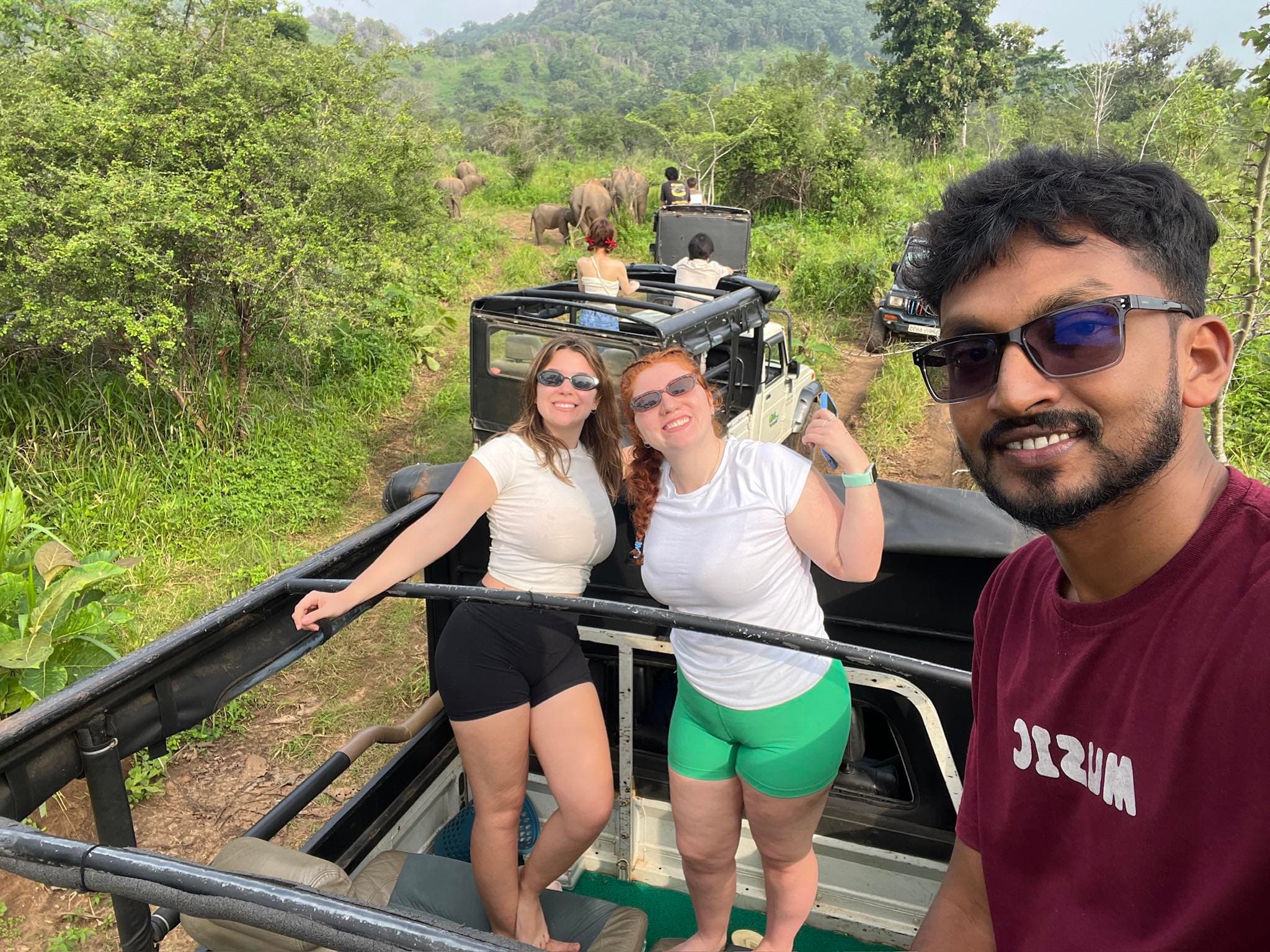
Preparing properly for a Kaudulla National Park safari transforms your wildlife adventure from potentially uncomfortable or frustrating into a smooth, enjoyable experience where you can fully focus on observing elephants, spotting birds, and capturing stunning photographs without distraction from inadequate gear or inappropriate clothing. Sri Lanka's tropical climate, dusty dry-season conditions, intense sun exposure, and the unique demands of safari environments require thoughtful packing that balances comprehensive preparation with practical weight and space limitations. Unlike urban tourism where you can easily purchase forgotten items, safari contexts offer limited shopping opportunities once you've reached the park area, making pre-departure preparation crucial. The right clothing keeps you comfortable through temperature fluctuations from cool early mornings to hot midday sun, protects against environmental hazards including sun exposure and insects, and helps you blend into the landscape without disturbing wildlife. Essential gear—from optical equipment enhancing wildlife viewing to safety items ensuring your wellbeing—requires careful selection based on your specific safari plans, photography ambitions, and personal needs. This comprehensive packing guide covers everything you need for successful Kaudulla safaris, organized by category with explanations of why each item matters and practical tips for maximizing functionality while minimizing luggage burden.
Understanding Kaudulla's Climate and Conditions
Before diving into specific packing recommendations, understanding Kaudulla's environmental conditions helps you make informed choices about clothing and gear suited to actual safari contexts rather than generic tropical travel advice.
Temperature patterns vary significantly throughout the day, requiring layering strategies. Early morning safaris (6:00 AM departure) begin in relatively cool conditions—temperatures of 22-25°C (72-77°F) with morning dew and occasionally mist creating surprisingly cool sensations, particularly when riding in open safari jeeps moving at speed. As the morning progresses toward 9:00-10:00 AM, temperatures rise rapidly to 28-32°C (82-90°F), while afternoon safaris experience peak heat of 33-36°C (91-97°F) during their first hours before gradually cooling toward 28-30°C (82-86°F) by evening.
Humidity levels remain high year-round in Sri Lanka's tropical climate, typically 70-85%, creating muggy conditions that make temperatures feel warmer than actual readings and cause perspiration even during moderate activity. This persistent humidity affects clothing choices—natural breathable fabrics prove far more comfortable than synthetics trapping moisture against skin.
Dust exposure during dry season (June-September) represents one of Kaudulla's most challenging conditions, particularly during peak gathering months when safari vehicles cross arid grasslands creating substantial dust clouds. This fine dust penetrates everything—covering your skin, hair, and clothing, infiltrating camera bags, and coating optical equipment. Preparing for dust through appropriate clothing coverage and equipment protection prevents significant discomfort and potential gear damage.
Sun intensity at Kaudulla's relatively low latitude (8°N) and elevation remains fierce year-round, with UV indices regularly reaching "extreme" levels. Open safari vehicles provide minimal shade protection, exposing passengers to continuous direct sunlight during multi-hour safaris. Comprehensive sun protection through clothing, sunscreen, and accessories prevents painful sunburn and long-term skin damage.
Seasonal rainfall affects primarily monsoon months (October-November) when afternoon thunderstorms occur with some regularity. Even during dry season, occasional brief showers may develop, though these rarely significantly disrupt safaris. Light rain protection provides insurance against getting soaked and uncomfortable.
Essential Clothing for Safari Success
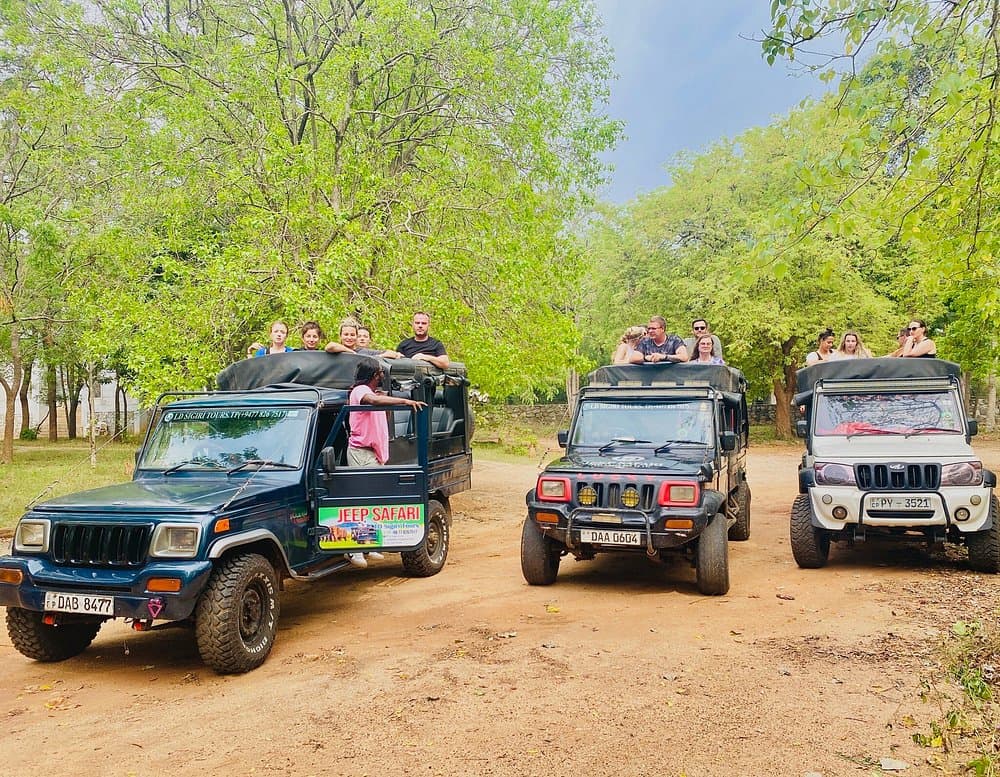
Safari clothing serves multiple functions—comfort through temperature regulation, protection from environmental hazards, and helping you blend into the landscape without disturbing wildlife through bright colors or noisy fabrics.
Color Selection and Wildlife Considerations
Choose neutral-colored clothing in khaki, tan, olive green, brown, or gray tones that blend with Kaudulla's grassland and forest environments. Avoid bright colors (red, orange, bright yellow, white) that stand out visually and may disturb wildlife, particularly nervous species like leopards. Some safari traditionalists claim animals react to specific colors, though scientific evidence remains limited—regardless, neutral tones reduce visual intrusion into natural settings and create more aesthetically pleasing photographs when you appear in group shots.
Avoid military camouflage patterns despite their apparent suitability, as some countries (though not typically Sri Lanka) have regulations against civilians wearing military-style camouflage, and the patterns can photograph poorly in certain contexts. Solid neutral colors or subtle natural patterns work better for safari contexts.
Upper Body Clothing
Long-sleeve shirts provide essential sun protection, insect defense, and barrier against thorny vegetation during any walking portions of your safari. Choose lightweight, breathable fabrics like cotton, linen, or technical moisture-wicking synthetics designed for tropical conditions. Shirts with roll-up sleeves offer versatility—long coverage during cool mornings or when sun protection is crucial, rolled up when temperatures soar and you want maximum ventilation.
Consider shirts with multiple pockets for storing small essentials like sunscreen, lip balm, lens cleaning cloth, or safari park map—having items readily accessible in shirt pockets proves more convenient than digging through backpacks every time you need something. Button-front shirts allow easy ventilation adjustment versus pullover styles.
Bring 2-3 safari shirts for multi-day stays, allowing for laundry rotation and having clean options for each safari. Quick-dry fabrics enable easy hand-washing and overnight drying in hotel rooms.
Lightweight fleece or windbreaker provides essential layering for early morning safaris when temperatures remain cool and open jeeps moving at speed create wind chill. These pieces compress small in luggage and prove invaluable during those first chilly pre-dawn hours, easily removable and stowable as temperatures warm.
Lower Body Clothing
Long pants offer the best all-around protection and appropriateness for safaris. Choose lightweight, quick-dry fabrics with some stretch for comfort during long sitting periods in safari vehicles. Convertible zip-off pants transforming into shorts provide excellent versatility—full-length coverage during cool mornings and maximum sun protection, convertible to shorts if afternoon heat becomes oppressive (though keep in mind that shorts reduce sun protection significantly).
Avoid jeans despite their durability, as heavy denim becomes uncomfortably hot in tropical heat and takes forever to dry if wet. Technical travel pants or lightweight hiking pants work far better for safari contexts.
Some travelers prefer safari shorts for afternoon safaris during peak heat, though this trades comfort for reduced sun protection and increased insect exposure. If choosing shorts, ensure they reach at least mid-thigh and pair with high-SPF sunscreen on exposed legs.
Bring 2-3 pairs of safari pants for multi-day trips, balancing luggage space against having clean options for each day's adventures.
Footwear Selection
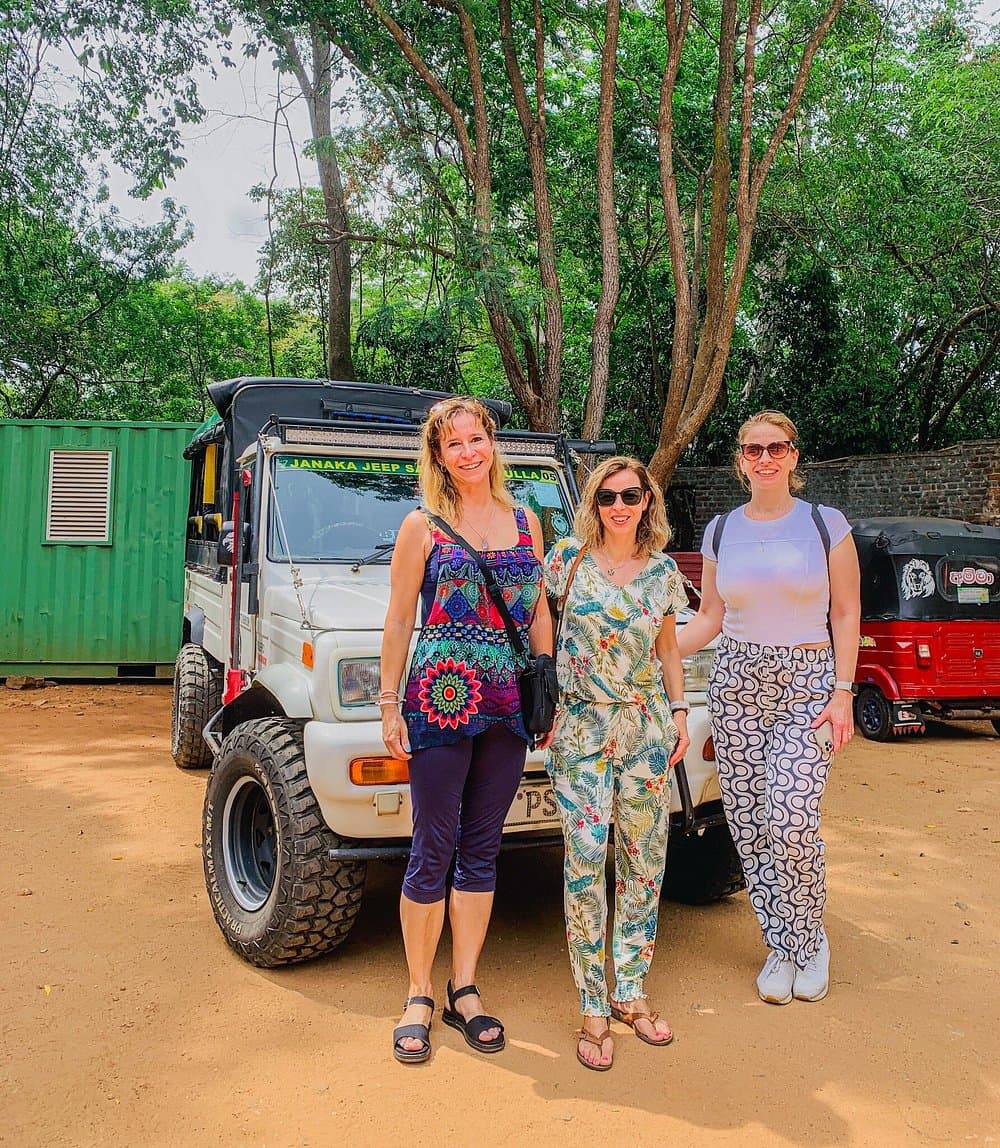
Closed-toe walking shoes or hiking boots provide essential protection, support, and grip needed for safari environments. While you'll spend most safari time seated in vehicles, park regulations or guide recommendations may allow brief walking portions at designated safe areas away from dangerous wildlife—proper footwear becomes crucial for these opportunities.
Choose lightweight hiking shoes or trail runners offering ankle support, thick protective soles guarding against thorns and sharp objects, good traction for potentially slippery or uneven terrain, and breathability keeping feet comfortable in heat and humidity. Break in new footwear thoroughly before your trip—blisters from stiff new shoes ruin safari enjoyment.
Avoid sandals, flip-flops, or open-toe footwear entirely for safaris. Beyond lacking protection and support, many safari parks have regulations requiring closed-toe shoes for safety reasons, and guides may refuse to allow passengers wearing inappropriate footwear.
Bring comfortable casual shoes for hotel wear and evening relaxation separate from your safari footwear, allowing safari shoes to dry between uses if they get sweaty or wet.
Head and Neck Protection
A wide-brimmed hat (brim at least 7-8 centimeters) provides crucial face, neck, and ear protection from intense tropical sun during hours of open-air safari exposure. Choose hats with chin straps or adjustable fit cords preventing loss in wind during vehicle movement—few things are more frustrating than watching your hat blow away across the savanna.
Baseball caps offer some face protection but leave ears and neck vulnerable to sunburn—if choosing caps, pair with bandanas or buffs protecting neck coverage. Safari hats with wider brims and UPF-rated fabric provide optimal protection while maintaining comfort through ventilation.
Choose neutral-colored hats matching your overall safari attire color scheme. Some photographers prefer hats with dark undersides to brim, as this reduces light reflection into eyes when looking up at wildlife or sky.
Buffs or bandanas serve multiple functions—dust protection covering mouth and nose during dusty conditions, neck sun protection, sweatband, or even improvised camera lens wipe in emergencies. These versatile items weigh almost nothing and pack incredibly small, making them valuable additions to any safari kit.
Sun and Insect Protection Accessories
Sunglasses with UV protection are absolutely essential for eye comfort and protection during multi-hour exposure to tropical sun glare reflecting off open grasslands and water surfaces. Choose wraparound styles providing peripheral coverage, polarized lenses reducing glare (particularly valuable for photography), and secure fit that won't slide off your nose during vehicle movement or when leaning over for better viewing angles.
Bring a secure sunglass strap or retainer preventing loss if glasses slip off—losing sunglasses early in a safari creates hours of squinting discomfort. Pack a microfiber cleaning cloth specifically for sunglasses, as dirty lenses covered in dust, sunscreen, or fingerprints reduce visibility and create headaches.
Consider lightweight gloves for photographers handling hot metal camera equipment under tropical sun, or for protection when adjusting thorny vegetation for clear shots. Fingerless photography gloves offer good compromise providing palm protection while maintaining finger dexterity for camera controls.
Photography Equipment and Gear
For photographers, camera equipment represents some of the most important and expensive items you'll bring on safari, requiring careful selection and protection.
Camera Bodies and Lenses
A DSLR or mirrorless camera with good autofocus performance and reasonable burst shooting speed (5+ frames per second) captures wildlife action effectively. While high-end professional cameras deliver best results, even intermediate consumer cameras produce excellent safari images when paired with appropriate lenses and technique.
Telephoto zoom lens (70-200mm minimum focal length, ideally 100-400mm or 150-600mm) provides versatility for both environmental shots showing landscape context and tighter portraits emphasizing wildlife details and behaviors. The ability to quickly zoom in and out without changing lenses proves invaluable in dynamic safari situations where wildlife behavior and positions constantly shift.
Some photographers bring wide-angle lens (24-70mm range) for sweeping landscape shots showing elephant gatherings against the dramatic Kaudulla Tank backdrop, or environmental portraits including significant habitat context around subjects. However, if luggage space or budget limits you to a single lens, the telephoto zoom delivers more essential functionality for safari contexts.
Lens image stabilization (IS, VR, VC depending on manufacturer) proves extremely valuable for safari photography from moving vehicles and hand-held shooting in lower light conditions during early morning and late afternoon golden hours when wildlife activity peaks. If choosing between two lenses, prioritize the one with stabilization.
Camera Accessories and Protection
Bring spare batteries (minimum 2-3 fully charged) as continuous shooting, reviewing images, and use of electronic viewfinders/screens drain power rapidly. Temperature extremes can also reduce battery life. Store spare batteries in easily accessible pockets rather than buried in camera bags so you can quickly swap when power runs low during critical wildlife moments.
Pack multiple high-capacity memory cards (64GB or larger) rather than relying on single cards—if one card fails or becomes corrupted, you won't lose every safari image. Some photographers use two-card-slot cameras with simultaneous writing to both cards for automatic backup, though this doubles storage requirements.
Lens cleaning kit including microfiber cloths, lens cleaning solution, and blower brush proves essential for removing the inevitable dust coating lenses during Kaudulla's dry season safaris. Clean lenses frequently during breaks in wildlife viewing to maintain image quality—dust on front elements creates hazy, low-contrast images disappointing after the fact.
Camera bag or backpack specifically designed for photography equipment provides padded protection, organized storage with accessible compartments, and often weather-resistant materials protecting against rain and dust. Choose bags comfortable for carrying during travel days while providing adequate protection for your investment in camera gear.
UV or clear protective filters on lens front elements provide inexpensive insurance against damage from dust, impacts, or scratches. While some photographers argue filters reduce image quality, modern high-quality filters create negligible optical degradation while offering valuable protection in harsh safari environments.
Smartphone Photography
Modern smartphones produce surprisingly capable wildlife images, particularly in good lighting conditions, making them valuable backup options or primary cameras for travelers not wanting to invest in dedicated photography equipment. Smartphone advantages include incredible convenience (always in your pocket), high-quality video capability, and easy immediate sharing through social media or messaging.
Smartphone limitations include smaller sensors producing lower image quality particularly in challenging lighting, limited optical zoom requiring digital cropping that reduces resolution, and less control over critical settings like shutter speed and aperture affecting ability to freeze wildlife motion or control depth of field.
If relying primarily on smartphone photography, bring portable battery pack ensuring adequate power through multi-hour safaris with continuous shooting and screen use. Consider smartphone tripod mount allowing stable mounting for video recording or low-light photography, and potentially clip-on telephoto lens improving zoom capabilities beyond digital limits (though these often sacrifice image quality for convenience).
Optical Equipment for Wildlife Viewing
Binoculars dramatically enhance safari experiences by allowing detailed observation of distant wildlife that appears as tiny specks to naked eyes, revealing behaviors and details invisible otherwise.
Binocular Selection
Choose 8x42 or 10x42 binoculars offering good balance between magnification power and field of view. The first number (8x or 10x) indicates magnification—10x shows objects appearing 10 times closer than with naked eyes. The second number (42) indicates objective lens diameter in millimeters—larger objectives gather more light, improving brightness in low-light conditions like dawn and dusk when wildlife is most active.
Higher magnifications (12x, 15x) magnify more but narrow field of view making it difficult to locate and track moving animals, and amplify hand shake requiring tripod mounting for stable viewing. For hand-held safari use, 8-10x magnification provides optimal usability.
Quality binoculars represent significant investments ($200-1000+ USD depending on brand and specifications) but transform wildlife viewing. Budget options ($50-150 USD) provide adequate functionality for occasional use, though optical quality, durability, and comfort lag behind premium models. If purchasing specifically for safari, prioritize waterproof/weatherproof construction, good optical coatings improving light transmission and image brightness, and comfortable ergonomics for extended holding.
Binocular Accessories and Use
Attach a binocular strap or harness preventing drops and keeping binoculars readily accessible hanging around neck or secured to chest. Simple neck straps work adequately though chest harnesses distribute weight more comfortably during extended use and prevent binoculars from swinging and bumping during movement.
Bring lens caps protecting objectives from dust and damage during transport (many binoculars include tethered caps). Use lens cleaning cloth removing dust and fingerprints maintaining optical clarity.
Practice using binoculars before your safari, learning to quickly locate subjects, adjust focus wheels for sharp views, and identify landmarks helping guide others in your group to the same wildlife you're observing ("the elephant is to the left of that large tree, middle distance").
Comfort and Convenience Items
Beyond essential clothing and optical/camera gear, various comfort items enhance safari enjoyment and address specific needs during multi-hour outdoor adventures.
Hydration and Snacks
Reusable water bottle (1-2 liter capacity) ensures adequate hydration during safaris—dehydration onset is insidious in tropical heat, impairing your ability to enjoy wildlife viewing and creating health risks. Insulated bottles keep water cooler longer, though basic bottles work fine if refilled with cold water before safari departure.
Some travelers prefer hydration bladders with drinking tubes allowing sipping without manipulating bottles, though these require more careful cleaning to prevent mold growth in tubes and reservoirs. For safari contexts, simple bottles prove more practical.
Pack energy bars, trail mix, crackers, or fruit providing sustained energy during extended safaris, particularly full-day excursions. Choose non-melting snacks that maintain quality in heat—chocolate bars turn into messy puddles, while nuts, dried fruits, and granola-based items withstand tropical conditions.
Sun Protection
High-SPF sunscreen (SPF 50+ recommended) protecting against UVA and UVB rays prevents painful sunburn during extended sun exposure. Choose water-resistant formulas maintaining effectiveness despite sweating, and reapply every 2 hours as directed regardless of claimed "all-day" protection.
Bring enough sunscreen for your entire trip—while available in Sri Lankan shops, familiar brands may be difficult to locate and local options might differ in formulation from what you're accustomed to. Apply sunscreen 30 minutes before sun exposure for maximum effectiveness, covering all exposed skin including ears, neck back, hands, and any other areas not covered by clothing.
Lip balm with SPF protects lips which are particularly vulnerable to sun damage and painful chapping in dry conditions. Reapply frequently as talking, drinking, and wiping sweat remove protective layers.
Insect Protection
Insect repellent containing DEET (20-30% concentration), picaridin, or other proven effective ingredients protects against mosquitoes which, beyond nuisance biting, can transmit diseases including dengue fever present in Sri Lanka. Apply repellent to exposed skin and outer clothing layers following product directions.
Mosquito activity generally remains low during midday heat but increases during dawn and dusk hours—precisely when safaris occur for optimal wildlife viewing. Regular repellent application before safaris and reapplication as directed maintains protection.
Some travelers prefer permethrin-treated clothing providing long-lasting insect protection without needing topical repellents—permethrin binds to fabric fibers lasting through multiple washes. Pre-treated safari clothing is available commercially, or you can treat your own clothing following product directions weeks before departure (treating must occur well in advance to allow proper drying and bonding).
Personal Comfort Items
Lightweight daypack or small backpack (20-30 liter capacity) keeps your safari essentials organized and accessible—water, snacks, camera accessories, sunscreen, field guide, notebook. Choose comfortable packs with padded shoulder straps and chest/hip belts distributing weight properly.
Wet wipes or hand sanitizer maintain basic hygiene when bathroom facilities may be limited or nonexistent during extended safaris in remote park areas. Individually packaged wipes prove more convenient than bulk containers.
Small towel or chamois helps manage perspiration and can dry camera equipment if caught in rain. Quick-dry travel towels compress incredibly small while providing adequate functionality.
Tissues or toilet paper for emergency bathroom needs—while many safari vehicles include small supplies, having your own ensures availability.
Basic first aid supplies including pain relievers, antihistamines for allergic reactions, anti-diarrheal medication, bandages, and any personal prescription medications. While hotels and guides carry basic supplies, having your own provides immediate access for minor issues.
Seasonal Packing Variations
While Kaudulla safaris require similar core items year-round, seasonal considerations affect specific packing decisions:
Dry Season (May-September)
Peak dry season demands maximum dust protection—bring bandanas or buffs covering mouth and nose, protective covers for camera equipment, and extra lens cleaning supplies. Sun protection becomes even more critical with consistently clear skies providing zero cloud cover. Bring slightly lighter-weight clothing as temperatures remain high with minimal cooling from rain.
Monsoon Season (October-November)
Pack lightweight rain jacket or poncho for protection against afternoon thunderstorms. Waterproof bags or covers for camera equipment prevent water damage during unexpected showers. While rain rarely disrupts entire safaris, being prepared prevents discomfort and protects expensive gear. Consider quick-dry fabrics for all clothing as humidity increases and drying time extends during monsoon months.
Shoulder Seasons (December-April)
These transition months show mixed conditions—December-February brings comfortable temperatures and minimal rain requiring standard dry season preparation. March-April transitions toward heat and occasional pre-monsoon showers requiring slight modifications to packing including adding light rain protection while maintaining full sun protection measures.
Organizing and Packing Your Safari Gear
Efficient packing ensures you bring everything needed while avoiding excessive luggage burden:
Create a packing checklist weeks before departure, adding items as you think of them. Review the list several times, removing redundant items and ensuring nothing essential gets forgotten. Organize the checklist by category (clothing, photography equipment, comfort items, documents) making systematic packing easier.
Use packing cubes or stuff sacks organizing clothing by category (safari shirts, pants, accessories) and compressing efficiently. This organization prevents the chaos of dumping everything into a large duffel bag where items get lost and wrinkled.
Pack camera equipment in carry-on luggage never checking expensive photography gear in checked baggage where it risks theft, damage, or loss. Airlines generally allow reasonable camera equipment as carry-on even if it slightly exceeds standard size limits, though confirm specific airline policies.
Wear your bulkiest items during travel—hiking boots, jacket—saving luggage space for other items. Pack a change of clothes in carry-on in case checked luggage is delayed or lost, ensuring you can still undertake your safari even if luggage arrives late.
Final Preparation Checklist
Before departure, verify you have:
- Appropriate neutral-colored, breathable safari clothing (shirts, pants, hat)
- Closed-toe walking shoes or hiking boots
- Sun protection (sunscreen, sunglasses, hat, long sleeves)
- Camera equipment (body, lenses, batteries, memory cards, cleaning kit)
- Binoculars with strap
- Reusable water bottle and snacks
- Insect repellent
- Basic first aid supplies and personal medications
- Lightweight daypack
- Seasonal items (rain jacket if monsoon season)
- Travel documents (passport, safari booking confirmations, accommodation reservations)
Test all equipment before departure—charge batteries, verify cameras and lenses function properly, clean optics, break in new footwear. This preparation identifies problems while you can still address them rather than discovering equipment failures after arriving in remote safari locations.
Proper preparation through thoughtful packing transforms Kaudulla safaris from potentially uncomfortable or equipment-hampered experiences into smooth adventures where you can focus entirely on the extraordinary wildlife spectacle before you—observing elephant families, capturing stunning images, and creating memories of one of Asia's premier safari destinations without distraction from inadequate gear or inappropriate clothing choices.