Family-Friendly Safari Tips at Kaudulla National Park: Complete Kids Guide 2026
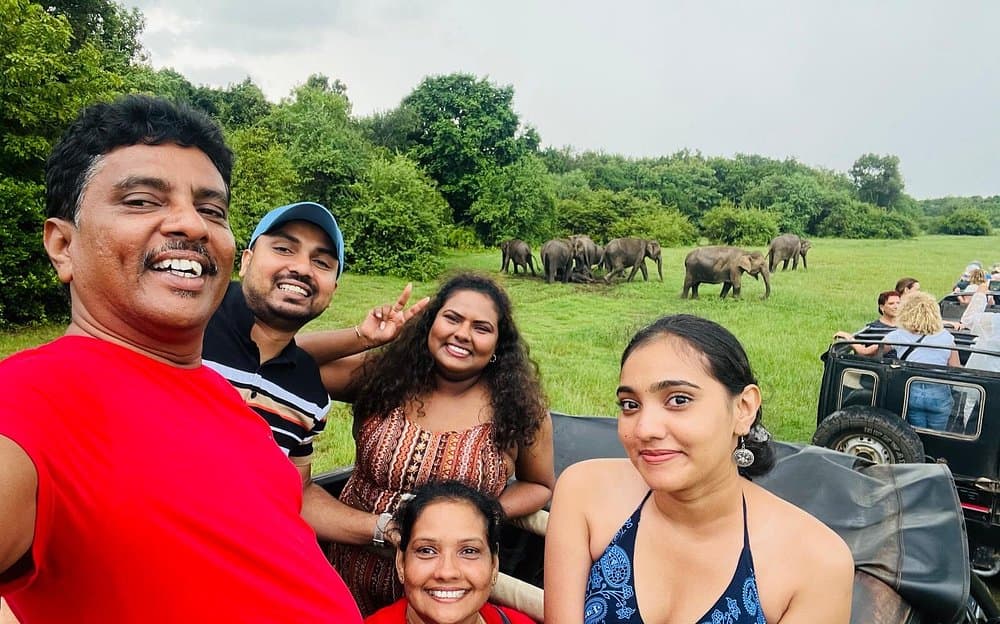
Planning a Kaudulla National Park family safari offers children an incredible opportunity to connect with nature, witness wild elephants in their natural habitat, and create lifelong memories of Sri Lanka's magnificent wildlife. Unlike many safari destinations that can be challenging for families with young children, Kaudulla provides a remarkably family-friendly experience with safe viewing conditions, short travel distances, comfortable safari durations, and wildlife encounters virtually guaranteed during peak seasons. The park's gentle terrain, absence of dangerous predators like lions or tigers, and predictable elephant gatherings make it an ideal introduction to wildlife safaris for children of all ages. However, successful family safaris require thoughtful planning regarding timing, safety precautions, age-appropriate activities, and realistic expectations about children's attention spans and comfort levels. This comprehensive guide covers everything families need to know to create a safe, educational, and fun Kaudulla safari experience that engages children, provides spectacular wildlife encounters, and avoids common pitfalls that can turn family adventures into stressful ordeals. Whether you're traveling with toddlers experiencing their first wildlife encounter or teenagers passionate about photography and conservation, these practical tips ensure your Kaudulla family safari becomes a highlight of your Sri Lankan vacation.
Understanding Age-Appropriate Safari Experiences
Different age groups experience Kaudulla safaris in distinctly different ways, and understanding these developmental differences helps set appropriate expectations and plan activities that keep children engaged throughout the experience.
Toddlers and Preschoolers (Ages 2-5): Very young children experience safaris primarily through sensory impressions rather than sustained wildlife observation. They'll remember the excitement of riding in an open jeep, the dust and wind on their faces, the loud sounds of elephant trumpeting, and the overall adventure atmosphere more than specific animal details. At this age, attention spans rarely exceed 10-15 minutes of focused observation, so expect multiple attention cycles throughout a 3-4 hour safari. The key to success with toddlers involves keeping expectations realistic—you're introducing them to nature and creating positive associations with wildlife rather than expecting sustained educational engagement. Bring comfort items like favorite stuffed animals, familiar snacks, and entertainment for downtime between sightings. Morning safaris work better for this age group as they align with natural wake times and energy peaks, though you'll need to manage the very early departure (5:30-6:00 AM) which might mean waking children earlier than ideal.
Early Elementary (Ages 6-9): This age group hits the sweet spot for family Kaudulla safaris with sufficient attention span to genuinely observe wildlife, developing cognitive abilities to understand basic animal behaviors, and enthusiasm for adventure without the teenage skepticism that sometimes emerges later. Children this age can participate meaningfully in wildlife spotting games, ask questions about elephant families and behaviors, and retain memories of specific encounters. They're old enough to understand and follow safety rules about staying seated and quiet during close animal encounters, yet young enough to feel genuine wonder at seeing massive elephants just meters away. Safari duration of 3-4 hours generally works well, though having backup activities (wildlife bingo cards, species checklists, simple cameras) helps maintain engagement during slower periods. This age particularly enjoys the educational aspects of safaris when guides share interesting animal facts in accessible language.
Tweens and Young Teens (Ages 10-14): Pre-teens and young teenagers can fully appreciate the Kaudulla safari experience at an adult level while still maintaining childhood enthusiasm for animals and adventure. This age group often develops genuine interest in photography, wildlife behavior, and conservation issues, allowing for more sophisticated engagement with the experience. They can handle full-length safaris (4-6 hours) without significant restlessness and often request extended time at interesting sightings. However, this age may also bring self-consciousness about appearing too enthusiastic or "childish" excitement about animals—creating opportunities for them to document experiences through photography or video gives them a mature role that channels their interest appropriately. Tweens appreciate being treated as serious safari participants rather than just tagging along with parents, so involving them in planning (reviewing guide books, identifying target species, learning camera operation) increases their investment in the experience.
Teenagers (Ages 15-18): Older teens approach Kaudulla safaris with near-adult sophistication, capable of appreciating the full ecological, behavioral, and conservation dimensions of wildlife viewing. Many develop passionate interests in wildlife photography, animal behavior, or environmental conservation that make safaris deeply meaningful experiences rather than just entertainment. However, teenagers may also require extra motivation if they're not naturally interested in wildlife—emphasizing the adventure and social media documentation aspects sometimes proves more effective than purely educational or conservation appeals. Teen-friendly approaches include giving them responsibility for photography or videography, involving them in spotting and tracking animals, and allowing them independence to explore their interests rather than constant parental supervision. Full-day or multiple safaris over several days work well for engaged teenagers who want comprehensive wildlife experiences.
Optimal Safari Timing for Families with Children
Choosing the right safari timing dramatically impacts whether your family's Kaudulla experience becomes a cherished memory or an endurance test, as different times of day present distinct advantages and challenges for children.
Early Morning Safaris (6:00 AM - 10:00 AM): Morning safaris offer several compelling advantages for families. Temperatures remain relatively cool (24-28°C) during early hours, crucial for young children's comfort and preventing heat exhaustion. Animals are most active in morning coolness, increasing wildlife encounter frequency and behavioral observations that keep children engaged. The soft morning light creates beautiful photography conditions if your family wants safari photos. Morning timing also leaves afternoons free for swimming pool time at hotels, naps for younger children, or visits to nearby cultural sites—this flexibility proves valuable for families juggling multiple interests and energy levels.
However, morning safaris require very early departures (5:30-6:00 AM) which means waking children earlier than vacation mode typically allows. Some young children (and teenagers!) struggle with early wake-ups, potentially arriving at the safari tired and cranky. The early start also necessitates quick breakfast arrangements—many hotels provide packed breakfast boxes for safari-goers, but children accustomed to leisurely morning meals may find this adjustment challenging. Despite these logistical hurdles, most families find morning safaris worth the effort, particularly during hot season months (March-September) when afternoon heat becomes oppressive.
Late Afternoon Safaris (3:00 PM - 6:30 PM): Afternoon safaris eliminate the early wake-up challenge, allowing families relaxed mornings and early afternoon pool time or rest before departing around 2:30-3:00 PM. This timing works particularly well for families with teenagers who naturally prefer later schedules, or when jetlag affects children's sleep patterns. The golden hour lighting during late afternoon (5:00-6:00 PM) creates magical photography opportunities, and elephants often engage in spectacular bathing and social behaviors as they gather at water sources for evening drinking.
The primary afternoon challenge is temperature—particularly March through September, afternoon safaris mean enduring peak heat (32-36°C) during the first 1-2 hours. Young children may become uncomfortable, dehydrated, or tired in intense heat, requiring extra attention to hydration and sun protection. Afternoon safaris also tend to attract more tourists as day-visitors from nearby cultural sites add to lodge guest numbers, potentially meaning more safari vehicles competing for prime viewing positions—while rarely a serious problem in Kaudulla's large space, it's worth considering for families seeking quieter experiences.
Split Safari Strategy: For families staying multiple days near Kaudulla, consider splitting safari timing—do one early morning safari to experience optimal wildlife activity and cool conditions, plus one late afternoon safari to witness golden hour lighting and evening elephant bathing rituals. This approach provides children varied experiences, allows you to compare differences in timing and light quality, and accommodates different energy patterns within your family (early risers can fully enjoy morning safaris while night owls appreciate afternoon timing).
Seasonal Timing Considerations: Beyond daily timing, consider how your travel season affects the family Kaudulla safari experience. Peak elephant gathering months (July-September) guarantee impressive wildlife sightings that keep children excited and engaged—seeing 100+ elephants virtually ensures an impactful experience even for initially reluctant children. However, peak season also brings more tourists and higher costs. Shoulder season months (May-June, December-January) offer good wildlife viewing with fewer crowds and better value, while still providing enough elephant encounters to satisfy children. Off-season visits (October-November, February-April) work best for families specifically interested in birdwatching or seeking quieter experiences, understanding elephant sightings will be smaller scale.
Essential Safety Guidelines for Children on Safari
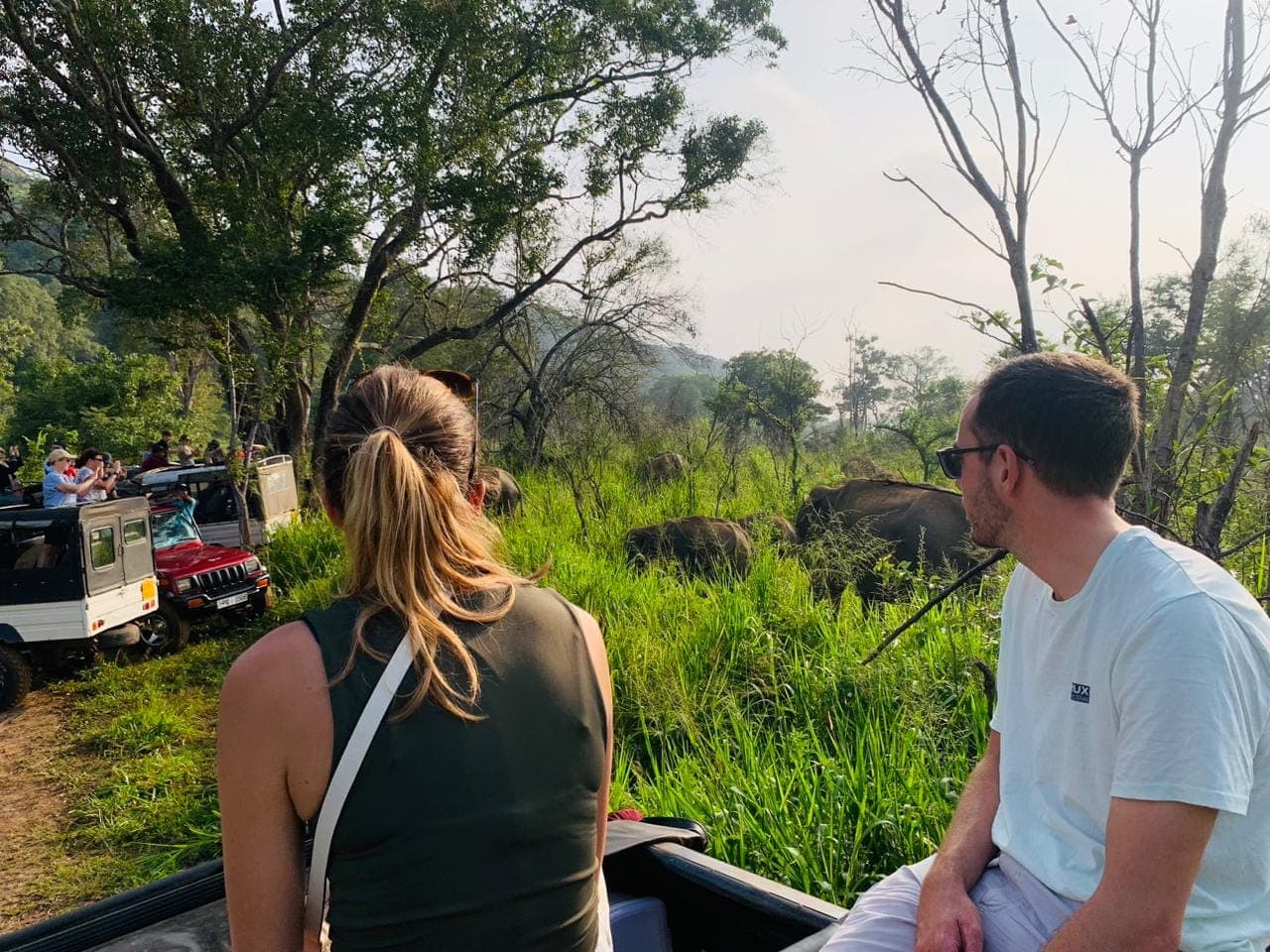
While Kaudulla National Park provides relatively safe wildlife viewing conditions compared to African parks with lions and other dangerous predators, Asian elephants deserve serious respect and families must follow important safety protocols to ensure children's wellbeing.
Staying Inside the Safari Vehicle: The cardinal safety rule for family safaris is that everyone—especially children—must remain inside the jeep at all times unless guides explicitly indicate it's safe to exit in designated areas far from any animals. Explain to children before the safari that safari jeeps aren't like normal cars where you can hop out whenever you want—wildlife safety requires staying seated and inside the vehicle. Young children particularly struggle with this restriction when they need bathroom breaks or get restless, so encourage bathroom visits immediately before departure and bring activities to occupy restless moments. Most safari vehicles have open sides and tops allowing excellent viewing and photography without needing to leave the vehicle.
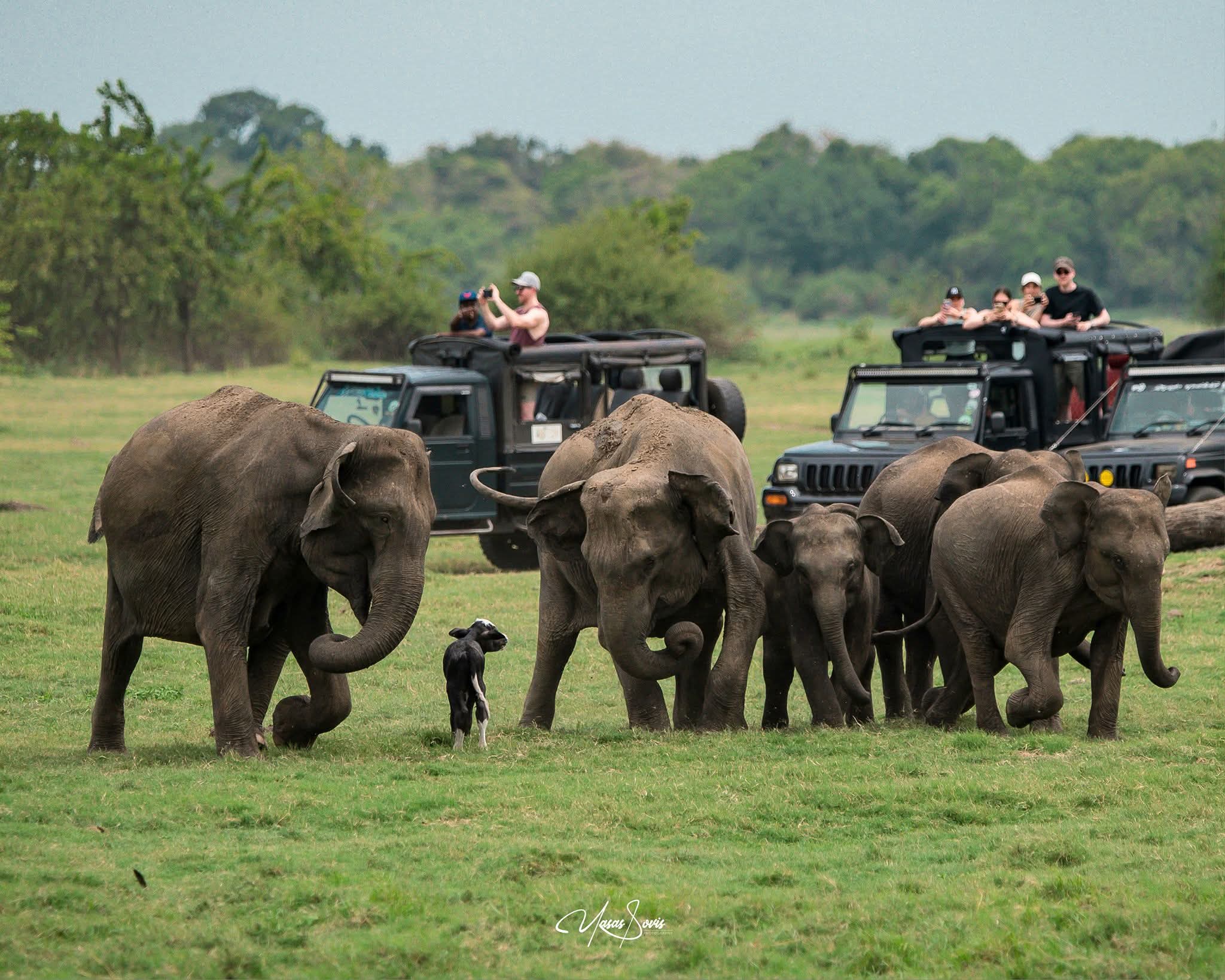
Understanding Elephant Behavior and Warning Signs: Teach children to recognize elephant warning behaviors that signal discomfort or potential aggression. Flapping ears, raised trunks, head shaking, and mock charges indicate elephants feeling threatened or annoyed, meaning your vehicle should move away. Explain that while elephants appear gentle and slow, they can run faster than humans and weigh several tons—approaching too closely or surprising them can trigger dangerous defensive reactions. Emphasize that mothers with young calves are particularly protective and should be given extra space. Have guides explain elephant body language to children during the safari, turning safety awareness into an educational opportunity.
Proper Behavior Around Wildlife: Children need clear guidelines about behavior during close wildlife encounters. Explain the importance of quiet voices and calm movements when near animals—loud shouting or sudden gestures can startle elephants or other wildlife, potentially triggering defensive reactions. However, balance this with realistic expectations for young children—absolute silence for hours isn't developmentally appropriate, so focus on teaching "indoor voices" and calm excitement rather than demanding complete quiet. Make it a game: "Let's use whisper voices so we don't scare the elephants away" works better than stern commands that create anxiety.
Sun Protection and Hydration: Sri Lankan sun is intense, and safari vehicles provide minimal shade protection, making sun safety crucial for children's comfort and health. Apply high-SPF (50+) waterproof sunscreen to children 30 minutes before safari departure, then reapply every 2 hours during the safari. Provide wide-brimmed hats or caps that stay secure in jeep wind—hats with chin straps work best. Bring polarized sunglasses for children old enough to wear them consistently. Most critically, ensure continuous hydration—bring at least one liter of water per child for a 3-4 hour safari, more for longer trips or hot weather. Encourage small, frequent sips rather than waiting until children complain of thirst. Electrolyte drinks or coconut water help replace minerals lost through sweating.
Managing Dust and Respiratory Comfort: Kaudulla safaris, particularly during dry season, involve significant dust exposure as jeeps drive across arid grasslands. Bring child-sized face masks, buffs, or bandanas to cover mouths and noses during particularly dusty sections—turning this into a "safari explorer" costume element helps children wear them without complaining. Pack tissues or wet wipes for cleaning dusty faces and hands. Children with asthma or respiratory sensitivities may need preventive inhaler doses before safari departure.
Emergency Preparedness: Carry a basic first aid kit including children's pain reliever/fever reducer, antihistamine for allergic reactions, bandages for minor cuts, motion sickness medication if any child is prone to car sickness, and any prescription medications your children need. Share relevant medical information with your guide (allergies, chronic conditions, medications) so they can respond appropriately in emergencies. Most family-friendly safari operators have communication systems allowing them to call for assistance if serious issues arise.
Family-Friendly Safari Gear and Packing Essentials
Proper equipment and supplies transform potential discomfort into smooth, enjoyable family Kaudulla safaris where everyone stays comfortable, engaged, and happy throughout the experience.
Optical Equipment for Wildlife Viewing: Binoculars dramatically enhance children's wildlife viewing experience, allowing them to observe distant animals and see details invisible to naked eyes. Invest in child-specific binoculars (available from outdoor retailers) with appropriate size, weight, and eye relief for young faces, or choose lightweight compact binoculars that children can manage. Binoculars with 8x magnification and large objective lenses (8x42 models) provide good brightness and field of view suitable for safari use. Attach binocular straps securely and teach children to hold binoculars with both hands while sitting down—standing children holding binoculars in moving jeeps risk injury if the vehicle hits bumps. Consider bringing one pair of adult binoculars for sharing plus individual pairs for older children who want their own.
Photography and Documentation Equipment: Capturing family safari memories requires appropriate camera equipment. For younger children (ages 5-8), consider waterproof digital cameras or action cameras designed for kids—these rugged devices withstand drops and rough handling while giving children their own documentation tool. Older children and teenagers can use family DSLRs or mirrorless cameras, ideally with zoom lenses (70-200mm minimum) for wildlife photography. Smartphones with good cameras work adequately for teens comfortable with their devices. Bring extra batteries and memory cards since safari photography consumes both rapidly. Teach children basic wildlife photography principles: patience, tracking moving subjects, and considering composition beyond just centering animals.
Comfort and Protection Items: Create a safari comfort kit for each child including: wide-brimmed hat with secure strap, sunglasses with UV protection and retention strap, high-SPF waterproof sunscreen in stick form for easy reapplication, insect repellent appropriate for children, bandana or buff for dust protection, light long-sleeve shirt for sun protection, and a light jacket for early morning coolness or afternoon wind. Pack everything in a small backpack for each child (or one family safari bag) so items stay organized and accessible during the safari.
Snacks and Hydration: While safari operators typically provide some water, bring supplemental supplies especially for younger children who need frequent snacking. Choose non-messy, energy-sustaining snacks like granola bars, trail mix, crackers, dried fruit, and individually wrapped cookies. Avoid chocolate or anything that melts in heat. Bring at least 1 liter of water per person, plus extra juice boxes or electrolyte drinks. Reusable water bottles with secure lids prevent spills in bouncing jeeps. Pack everything in a small cooler or insulated bag if your hotel can provide ice packs.
Entertainment for Downtime: Realistic safaris include periods of slower wildlife activity or travel time between locations when young children need alternative engagement. Bring quiet entertainment like wildlife coloring books and colored pencils, safari-themed activity books, small wildlife field guides children can use to identify animals, or downloaded nature documentaries on tablets with headphones. Having backup entertainment prevents restlessness from derailing the entire safari experience when wildlife viewing hits natural lulls.
Wildlife Identification Resources: Bring (or download) simple wildlife field guides focusing on Sri Lankan mammals and birds that children can use during the safari. Making animal identification into a game or scavenger hunt keeps children engaged: "Can you find three different types of deer?" or "Let's spot five different bird species." Many safari lodges provide laminated wildlife identification cards—request extras for children to keep as souvenirs.
Creating Engaging Educational Experiences
Transforming Kaudulla family safaris from passive sightseeing into active learning experiences deepens children's engagement and creates meaningful connections with wildlife and conservation.
Pre-Safari Preparation and Learning: Begin building excitement and knowledge before arrival at Kaudulla. Watch age-appropriate nature documentaries together featuring Asian elephants and Sri Lankan wildlife—the BBC's "Planet Earth" series or Disney's "Elephant" documentary provide excellent introductions. Read picture books about elephants for younger children or more detailed books about elephant behavior and conservation for older kids. Research basic elephant facts together: how much they eat daily (150-200 kg!), how they communicate, family social structures led by matriarchs, and conservation challenges facing Asian elephants. This preliminary knowledge helps children recognize behaviors during actual wildlife encounters and provides context that makes observations more meaningful.
Interactive Wildlife Spotting Games: Turn wildlife observation into engaging games that maintain children's attention throughout the safari. Create safari bingo cards before your trip with illustrations or photos of animals you might see (elephants, water buffalo, spotted deer, monkeys, crocodiles, various birds)—children mark off species as they spot them, with small prizes for completing rows. Play "safari detective" where children look for animal signs like footprints, dung, feeding damage on trees, or wallowing spots. Have a friendly family competition for who spots the most different species, youngest elephant calves, or birds of different colors. These games channel children's natural enthusiasm while teaching observation skills.
Photography Challenges and Projects: For older children interested in photography, create specific safari photography challenges: capture mother-calf interactions, document elephant bathing sequences, photograph birds in flight, or create a visual story of one safari from beginning to end. Teach basic wildlife photography principles including patience, respecting animal space, considering backgrounds and lighting, and capturing behavior rather than just portraits. After the safari, have children select their best images and create digital photo albums or printed books documenting their Kaudulla experience—this post-safari project extends engagement beyond the trip itself.
Behavioral Observation Exercises: Encourage children to observe and document specific elephant behaviors. Give older children notebooks to record observations about how elephants interact: "What did the mother do when her calf wandered away?" "How do young elephants play together?" "What sounds did you hear elephants making?" This scientific observation approach appeals to analytically-minded children while building genuine understanding of elephant behavior. Guides can facilitate these observations by explaining behaviors as they occur and encouraging questions.
Conservation Conversations: Age-appropriately discuss conservation challenges facing elephants and Kaudulla National Park. For younger children, simple concepts work best: "Elephants need protected parks like Kaudulla because there aren't as many wild places for them to live anymore" or "The money from our safari visit helps protect the park and elephants." Older children and teenagers can engage with more complex issues: human-elephant conflict, habitat loss from agriculture, the importance of wildlife corridors connecting protected areas, and the economic value of eco-tourism. Visit the park interpretation center (if available) or arrange guided discussions with park rangers or conservationists working in the area. Consider supporting a conservation organization as a family after your visit, allowing children to maintain connection with the wildlife they encountered.
Nature Journaling: Provide children with small notebooks and art supplies to create safari nature journals. Younger children can draw pictures of animals they see, while older children can sketch, write descriptions, record facts they learned, paste photos, or keep detailed observation logs. Nature journaling combines artistic expression, scientific observation, and personal reflection—reviewing journals months or years later reinforces memories and demonstrates how the experience impacted children's perspectives.
Family-Friendly Accommodations Near Kaudulla
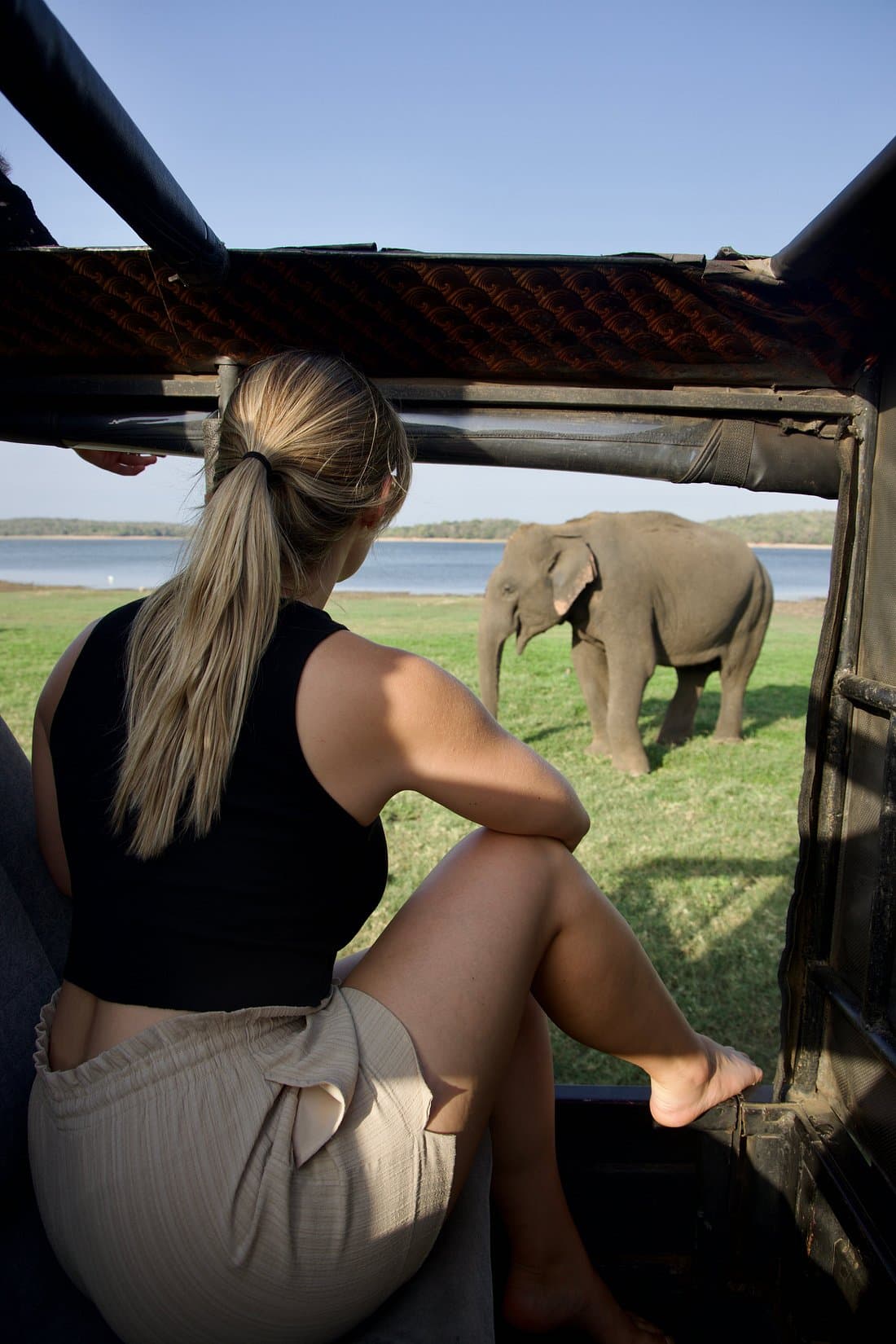
Selecting appropriate accommodations dramatically impacts family safari success by providing comfortable recovery spaces between safaris, child-friendly amenities, and convenient access to Kaudulla National Park.
Habarana Family Resorts: The town of Habarana, located 20 minutes from Kaudulla entrance, hosts numerous family-friendly resorts offering excellent bases for safari adventures. Cinnamon Lodge Habarana provides extensive grounds where families can spot wildlife (monkeys, peacocks, various birds) without leaving the property, plus multiple swimming pools including dedicated children's pools, diverse dining options accommodating picky eaters, and spacious family rooms or interconnecting rooms for larger families. The property offers organized activities for children including nature walks, traditional Sri Lankan games, and evening cultural performances that complement safari experiences. Chaaya Village Habarana similarly offers family-friendly amenities with pools, gardens, and comfortable family accommodation at mid-range pricing. Both properties have established relationships with reliable safari operators making booking convenient.
Eco-Lodges with Family Programs: Several eco-lodges near Kaudulla cater specifically to families seeking immersive nature experiences extending beyond scheduled safaris. These properties typically feature extensive natural grounds where wildlife roams freely, naturalist-led family nature walks, birdwatching platforms, educational presentations about local ecology and conservation, and often hands-on activities like tree planting or visiting nearby villages. While premium-priced ($200-400 USD per night), they transform entire stays into educational nature experiences rather than just providing accommodation between safaris. Many eco-lodges donate portions of revenue to conservation programs, allowing families to contribute to protecting the wildlife they're observing.
Budget Family Guesthouses: Cost-conscious families will find numerous family-run guesthouses throughout Habarana and Dambulla offering clean, comfortable accommodation ($25-50 USD per night for family rooms) without resort amenities. While these properties lack extensive grounds and swimming pools, they provide essential comfort, home-cooked meals often better suited to children's preferences than resort buffets, and personal hospitality that makes families feel welcomed. Many guesthouse owners have deep local knowledge and connections with excellent safari guides—their insider insights can enhance your wildlife viewing success. Look for properties advertising "family rooms" with multiple beds or request interconnecting rooms when booking.
Polonnaruwa Cultural Combination Base: Families combining Kaudulla wildlife safaris with cultural site exploration might consider staying in Polonnaruwa (40 minutes from Kaudulla). This allows dedicating different days to wildlife safaris versus exploring UNESCO World Heritage ruins—the ancient city features impressive archaeological sites including massive Buddha statues, royal palace remains, and ancient irrigation systems that fascinate many children, particularly those less enthusiastic about wildlife. The longer distance to Kaudulla requires earlier morning departures but provides accommodation variety and cultural balance to wildlife-focused itineraries.
Key Accommodation Considerations for Families: When selecting lodging for family Kaudulla safaris, prioritize: swimming pools for afternoon cooling and recreation (crucial in Sri Lankan heat), family room options or interconnecting rooms providing space and privacy, dining offering both Sri Lankan cuisine and international options familiar to children, air conditioning in rooms (essential for comfortable sleep), convenient safari booking through accommodation, safe grounds where children can explore, and laundry services if traveling with young children generating clothing casualties. Reading recent family reviews on booking platforms helps identify genuinely child-friendly properties versus those merely claiming family suitability.
Managing Common Family Safari Challenges
Even well-planned family Kaudulla safaris encounter predictable challenges, but knowing how to manage these situations prevents minor issues from becoming major problems.
Restlessness and Attention Fatigue: Young children's attention spans naturally limit continuous wildlife observation time. When restlessness emerges, take breaks by shifting focus: point out different landscape features, discuss the trees and plants, look for animal tracks or signs rather than animals themselves, or simply allow quiet downtime with snacks and water. Break longer safaris into mental segments: "Let's watch for elephants for 15 more minutes, then we'll have snacks and look for birds." Having backup activities (activity books, small toys, tablets with downloaded content) provides relief valves during extended slower periods.
Bathroom Emergencies: Young children struggle with the reality that safari vehicles don't have bathrooms and stopping for bathroom breaks interrupts wildlife viewing. Strongly encourage children to use facilities immediately before safari departure. For emergencies during safaris, communicate needs to your guide immediately—they know remote areas where emergency stops are possible safely away from animals. Bring toilet paper and hand sanitizer in your safari bag for such situations. For families with very young children still in diapers or pull-ups, consider keeping children in these temporarily during safaris for accidents or emergency relief.
Disappointment When Wildlife Is Sparse: Some safaris, particularly during off-season or unlucky timing, produce fewer wildlife sightings than anticipated. Prepare children beforehand that wildlife viewing is never guaranteed—"We're visiting the elephants' home and sometimes they're not in the parts we can reach" helps set realistic expectations. When wildlife is sparse, shift focus to landscape appreciation, bird identification, or the adventure of riding in the open jeep. Guides often share interesting stories about the park, conservation work, or previous memorable sightings that maintain engagement even when current sightings disappoint.
Sibling Conflicts: Long safaris in confined jeep spaces can trigger sibling disputes over window seats, binocular use, who saw the animal first, and countless other issues. Preemptively establish safari rules: taking turns with window seats and binoculars, using quiet voices even when disagreeing, and sharing the camera. Parent intervention should be minimal and quiet to avoid disturbing other safari participants and wildlife—sometimes a stern look suffices, or quietly separating squabbling children to different jeep sides.
Heat and Discomfort: Sri Lankan tropical heat challenges children accustomed to air-conditioned environments. Beyond physical sun protection and hydration, manage expectations about comfort: "Safaris are an adventure and part of adventures is being a little bit hot and dusty—that's part of the fun!" Works better than allowing children to fixate on discomfort. Wet bandanas draped on necks provide cooling relief. Plan hotel pool time immediately after morning safaris so children have something comfortable to anticipate.
Motion Sickness: Jeeps traversing rough safari tracks trigger motion sickness in susceptible children. Give motion sickness medication 30-60 minutes before safari departure if your child has a history of car sickness. Encourage children to look at the horizon or distant objects rather than focusing on nearby passing scenery. Fresh air helps—encourage sitting near jeep openings where airflow is strongest. Bring plastic bags discreetly available for emergency vomiting. Ginger candy or ginger tea before departure sometimes reduces nausea naturally.
Post-Safari Family Activities and Memory Making
Extending the Kaudulla safari experience beyond the actual wildlife viewing helps cement memories and maintain children's engagement with nature and conservation.
Photo and Video Review Sessions: Within a day or two of your safari, have a family session reviewing photos and videos together. Children love seeing themselves in safari contexts and reliving exciting moments. Edit highlights into a short family movie or slideshow set to music—this becomes a treasured family keepsake and helps children process and remember their experience. For older children, teach basic photo editing to enhance their safari images, creating a post-safari learning opportunity.
Souvenir Creation and Journaling: While memories are fresh, have children complete their safari journals with final thoughts, favorite moments, and drawings. Visit local shops together to find small elephant figurines, postcards, or wildlife books as physical memory anchors. Create a family safari scrapbook combining photos, tickets, maps, journal entries, and other mementos—this becomes a family treasure illustrating your shared adventure.
Conservation Follow-Through: If your safari sparked genuine interest in wildlife conservation, follow through with age-appropriate actions: adopt an elephant through conservation organizations, donate to Kaudulla protection efforts as a family, watch additional wildlife documentaries focusing on Asian elephants, or research and support broader wildlife conservation causes. This transforms your safari from simple entertainment into the beginning of lasting environmental awareness and stewardship.
Sharing Experiences with Others: Encourage children to share their Kaudulla safari adventure with friends, relatives, and classmates through presentations, photos, or stories. This reinforces their own learning while potentially inspiring others to value wildlife and conservation. Some teachers welcome student presentations about family travel experiences as educational opportunities benefiting entire classrooms.
Final Thoughts: Creating Unforgettable Family Safari Memories
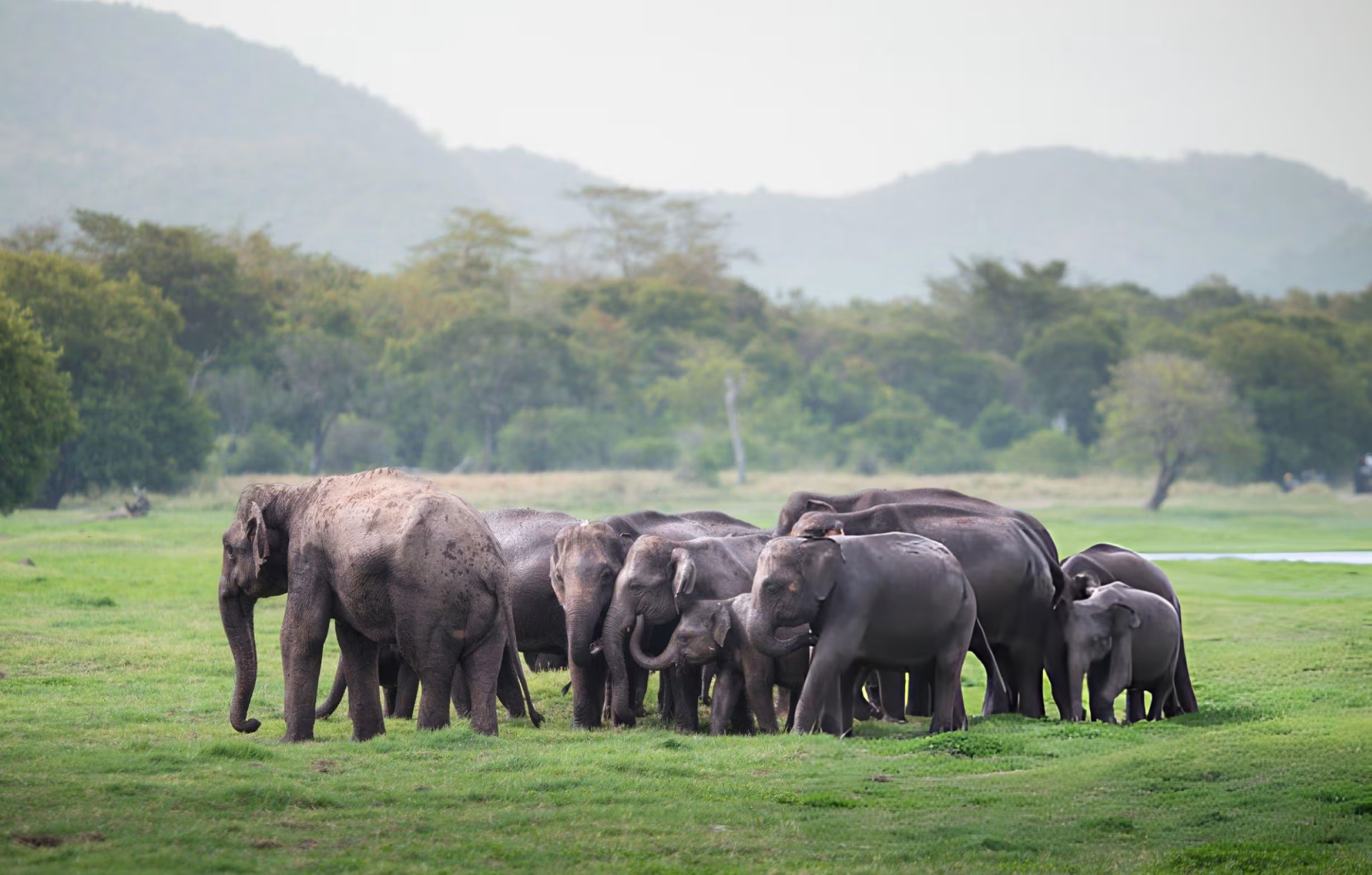
A well-planned Kaudulla National Park family safari offers far more than just seeing elephants—it creates a profound shared experience connecting your family with nature, wildlife, and each other in ways rare in ordinary daily life. Children who witness elephant families caring for their young, observe the complex social interactions within herds, and experience the thrill of close wildlife encounters develop lasting appreciation for the natural world and understanding of why conservation matters. These experiences often spark lifelong interests in animals, ecology, photography, or environmental protection.
Success requires balancing your desires for impressive wildlife viewing with realistic assessment of your children's capabilities, attention spans, and comfort needs. A three-hour safari where children remain engaged and comfortable creates better memories than a six-hour marathon where everyone ends tired, cranky, and unable to appreciate the wildlife. Start with single safari experiences rather than over-scheduling multiple daily safaris—you can always add more if everyone's enthusiastic and energetic, but recovering from an over-scheduled first day proves difficult.
Remember that the family safari experience encompasses more than just the hours in the jeep. It includes the excitement of early morning departures, the drive through Sri Lankan countryside toward the park, the stories shared with guides about wildlife and conservation, the hotel pool celebrations after successful safaris, and the quiet evening moments reviewing photos together. These surrounding experiences often prove equally memorable to children as the elephant sightings themselves.
Approach your Kaudulla family safari with flexibility, patience, and joy. Wildlife viewing involves natural unpredictability—some days produce spectacular gatherings of 200+ elephants while others offer more modest encounters with smaller groups. Either experience provides value when you focus on the privilege of witnessing wild animals in their natural habitat rather than checking boxes on an expectation list. Your enthusiasm and wonder become contagious to your children, shaping how they remember and value the experience for years to come.
Book your family-friendly Kaudulla safari today and prepare to create extraordinary memories that strengthen family bonds while opening your children's eyes to the natural world's beauty, complexity, and fragility. Whether watching your young child's face light up at their first elephant sighting, seeing your teenager's pride in capturing a beautiful wildlife photograph, or sharing the quiet wonder of watching dozens of elephants gathering at golden hour, these moments become the stories your family tells and retells for generations—the kind of irreplaceable experiences that define what family travel should be at its best.