Kaudulla Safari Cost Guide: Complete Budget Planning for Your Wildlife Adventure
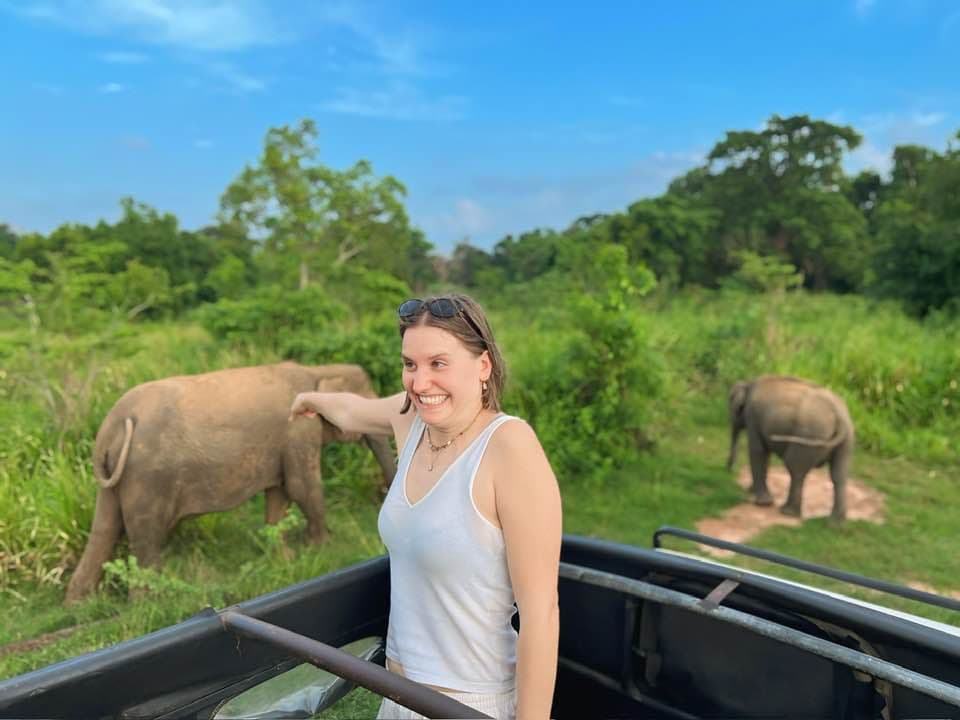
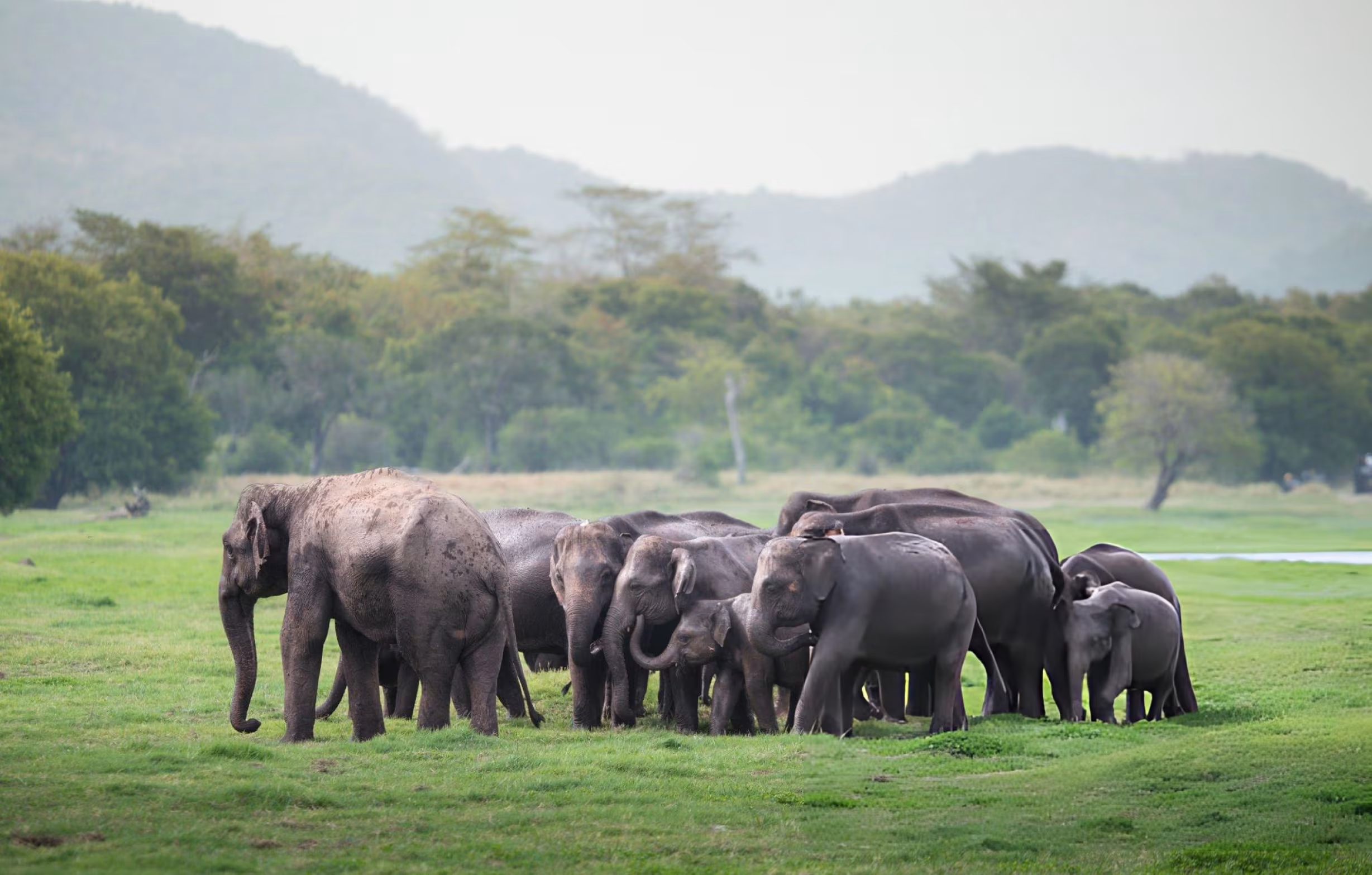
Planning a Kaudulla National Park safari requires understanding the complete cost structure to budget appropriately and avoid unexpected expenses that can derail otherwise perfect wildlife adventures. Unlike some international safari destinations where costs can soar into thousands of dollars per day, Kaudulla safaris remain remarkably accessible for travelers across various budget ranges—from backpackers seeking economical wildlife experiences to luxury travelers wanting premium comfort and exclusive services. However, the total cost involves multiple components beyond just park entrance fees, including vehicle rental, guide services, accommodation, meals, and various optional extras that can significantly impact your final expenditure. Understanding each cost element, knowing what's included versus what requires separate payment, recognizing seasonal price variations, and learning strategic approaches to minimize expenses without sacrificing experience quality ensures you can enjoy Kaudulla's spectacular elephant gatherings and diverse wildlife while staying within your budget constraints. This comprehensive guide breaks down every cost component associated with Kaudulla safaris, provides realistic budget ranges for different travel styles, and shares insider tips for maximizing value while experiencing one of Sri Lanka's premier wildlife destinations at its absolute best.
Understanding the Complete Cost Structure
Kaudulla safari costs comprise several distinct components, each requiring separate consideration during budget planning. Understanding what's included in quoted prices versus what requires additional payment prevents confusion and budget overruns.
The primary cost components include park entrance fees charged by Sri Lanka's Department of Wildlife Conservation, safari vehicle rental for jeeps capable of accessing park routes, licensed guide services providing wildlife expertise and park navigation, accommodation near the park, meals and refreshments, and optional extras like photography equipment rental or extended safari durations. Each component involves different pricing structures, payment methods, and opportunities for cost savings through strategic planning.
A critical distinction exists between all-inclusive safari packages bundling multiple components into single prices, and à la carte arrangements where you book each element separately. All-inclusive packages offered by tour operators and hotels provide convenience and often better value through bulk purchasing power, but may include services you don't need. À la carte booking allows precise control over your experience and budget but requires more research, coordination, and time investment.
Park Entrance Fees and Permits
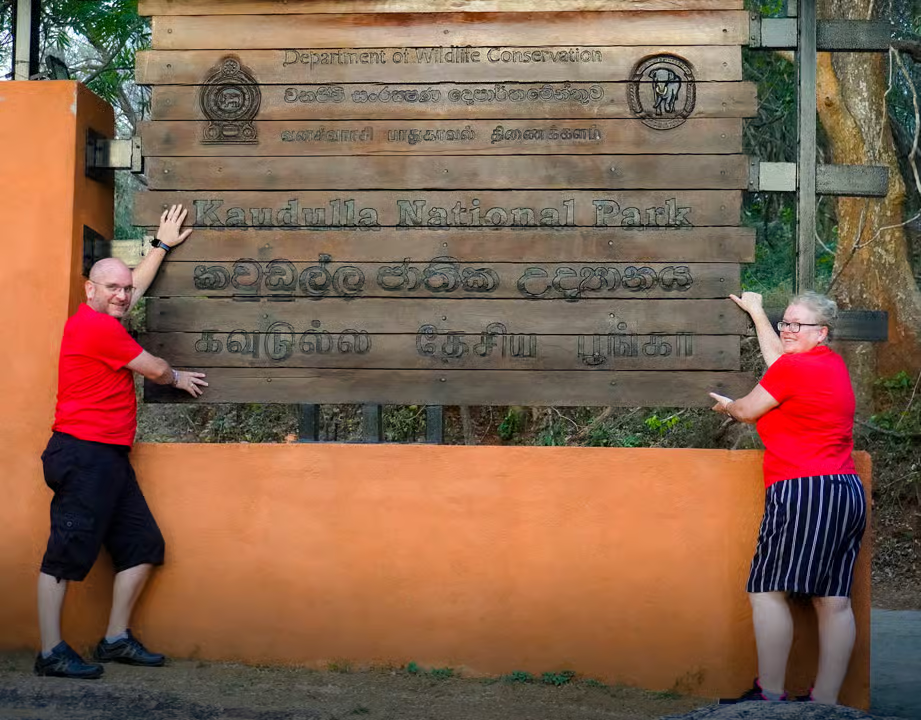
Kaudulla National Park entrance fees represent mandatory costs for all visitors, with different rate structures based on residency status and age. These fees fund Sri Lanka's Department of Wildlife Conservation operations including ranger patrols, habitat maintenance, research programs, and conservation initiatives protecting the park's elephant populations and ecosystems.
Foreign adult visitors pay higher fees than Sri Lankan nationals—this differential pricing system common throughout Sri Lankan national parks helps subsidize conservation costs through international tourism while maintaining accessible pricing for local citizens. Children under certain age thresholds receive discounted rates, while infants typically enter free. Some senior citizen discounts may apply depending on specific Department of Wildlife Conservation policies at the time of your visit.
Payment of entrance fees typically occurs at the park gate upon arrival, with park authorities accepting both Sri Lankan rupees and major foreign currencies (US dollars, euros, British pounds), though rupee payment often receives marginally better effective exchange rates. Some tour operators include entrance fees in their package prices and handle payment on your behalf, while independent travelers pay directly at the gate.
Important note: entrance fees grant access to the park but don't include vehicle rental or guide services—these require separate arrangements and payments. Confirm whether quoted safari prices include entrance fees or if these represent additional costs requiring separate budgeting.
Safari Vehicle Rental Costs
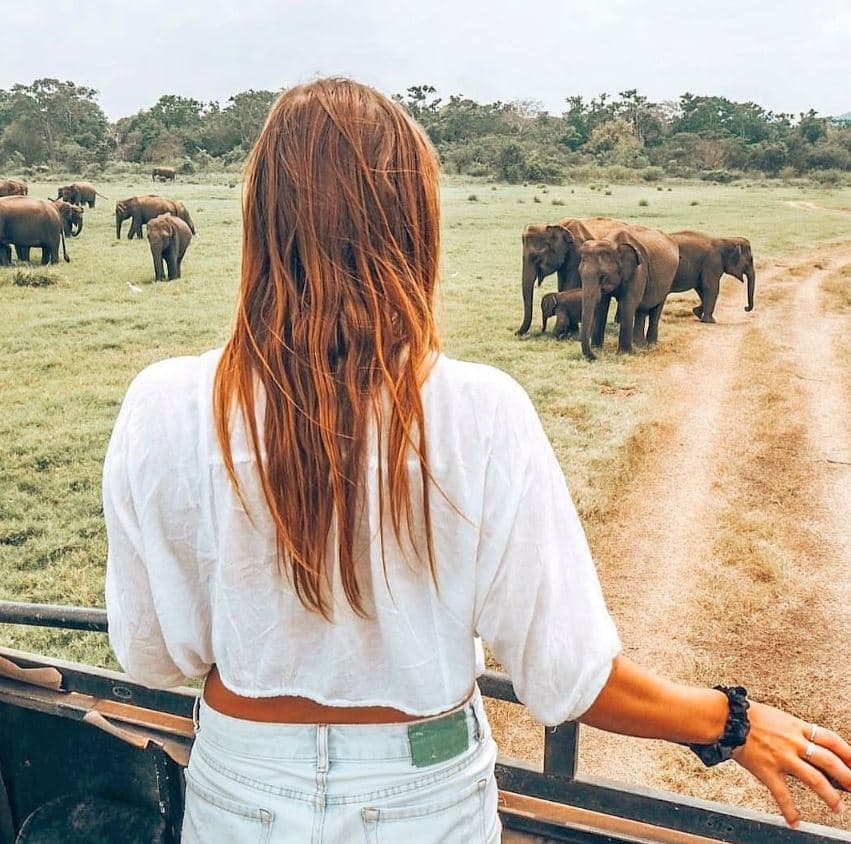
Jeep rental represents the most significant variable cost component for Kaudulla safaris, with prices varying based on safari duration, vehicle type, season, and booking source. Understanding vehicle rental dynamics helps you make informed decisions balancing cost and experience quality.
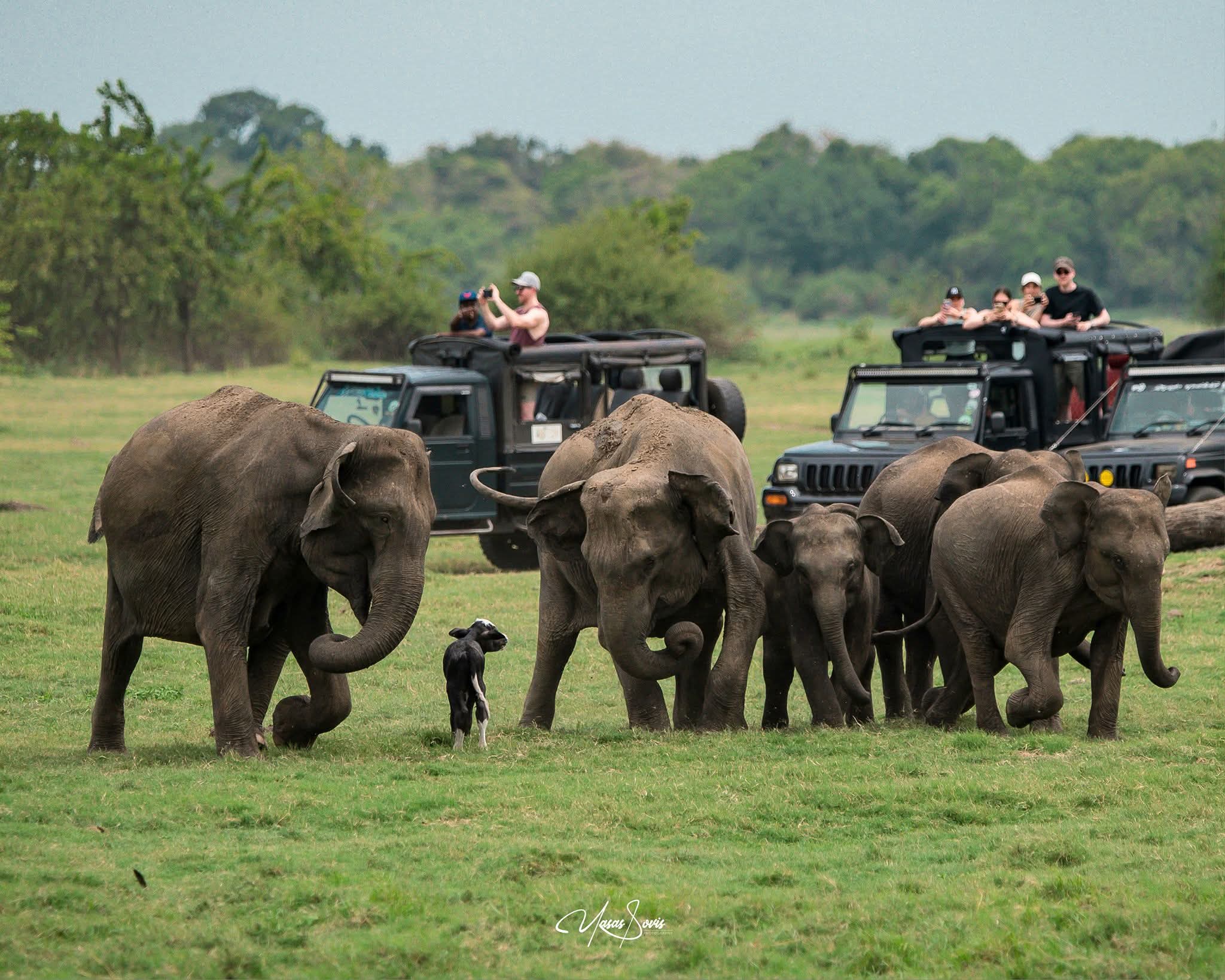
Standard safari vehicles are rugged four-wheel-drive jeeps modified with open sides and canvas roofs providing excellent wildlife viewing and photography conditions. These vehicles typically accommodate 5-6 passengers plus driver and guide, though slightly smaller groups enjoy more comfortable spacing and better viewing flexibility.
Half-day safaris (3-4 hours) represent the most common option, available as morning sessions (approximately 6:00 AM - 9:30 AM) or afternoon sessions (approximately 3:00 PM - 6:30 PM). Morning safaris sometimes command slightly higher rates than afternoon options due to optimal wildlife activity during cooler hours and premium photography lighting conditions. Full-day safaris (6-8 hours) covering extended time periods naturally cost more but provide better per-hour value for serious wildlife enthusiasts wanting maximum observation time.
Several factors influence jeep rental pricing. Peak tourist season (July-September coinciding with elephant gathering maximum intensity, plus December-January holiday period) sees higher rates and advance booking requirements, while shoulder and off-peak months offer lower rates and greater booking flexibility. Booking directly with local jeep operators in Habarana or Polonnaruwa often yields better rates than booking through international tour companies, though this requires more independent research and communication. Hotels and lodges near Kaudulla typically offer safari booking services with markup over direct operator rates but provide convenience and quality assurance.
Private jeep rental gives your group exclusive vehicle use with complete control over timing, route preferences, and how long you spend at interesting sightings. This option works best for families, small groups of friends, serious photographers needing time for composition and lighting optimization, or anyone prioritizing privacy and flexibility. Shared jeep safaris where multiple parties split vehicle costs provide budget-friendly alternatives, though you sacrifice some flexibility and must coordinate preferences with other passengers. Shared options work well for solo travelers or couples comfortable with group dynamics and willing to compromise on specific sighting durations or route preferences.
Always clarify what's included in quoted jeep rental prices. Reputable operators include fuel, driver costs, and basic vehicle maintenance, but some budget operators quote artificially low base rates then add fuel surcharges, driver fees, or other unexpected costs. Confirm whether park entrance fees and guide charges are included or represent additional expenses. Request written quotes detailing all inclusions and exclusions to avoid payment disputes after your safari.
Professional Guide Services
Licensed safari guides dramatically enhance your Kaudulla experience through wildlife expertise, behavioral interpretation, optimal positioning for viewing and photography, and ensuring safety during close animal encounters. While technically optional, hiring experienced guides transforms safaris from simple sightseeing into educational wildlife encounters revealing ecological relationships and animal behaviors invisible to untrained observers.
Guide services are sometimes included in jeep rental packages, particularly when booking through established tour operators or hotels, but often require separate arrangement and payment. Guides charge per safari (not per person), so costs split across your group become quite reasonable even for budget-conscious travelers.
Half-day safaris require guides for the 3-4 hour duration, while full-day safaris necessitate guides available for extended 6-8 hour periods. Guide fees reflect these time commitments accordingly. The best guides possess deep knowledge of Kaudulla's ecology gained through years of daily safaris, can identify hundreds of species by sight and sound, understand elephant family relationships and individual recognition, speak multiple languages for international visitors, and maintain excellent relationships with other guides allowing information sharing about wildlife locations via radio communication.
When booking independently, request guides specifically experienced with Kaudulla rather than general safari guides—park-specific knowledge regarding elephant movement patterns, best viewing locations by season and time of day, and habitat understanding significantly impacts safari success. Ask potential guides about their experience level, language abilities, and whether they specialize in particular aspects like birdwatching or elephant behavior interpretation.
Tipping guides for exceptional service is customary though not mandatory—suggested tip amounts range depending on service quality and safari duration, with half-day tips typically lower than full-day rates. Outstanding guides who significantly enhance your experience through their knowledge, enthusiasm, and dedication certainly deserve recognition through appropriate tipping.
Accommodation Options and Costs
Accommodation near Kaudulla spans a wide range from budget guesthouses to luxury eco-lodges, with your choice significantly impacting total safari trip costs. Proximity to park entrances, included amenities, and booking timing all influence accommodation expenses.
Habarana serves as the primary base for Kaudulla safaris, located just 15-20 minutes from the park entrance with extensive accommodation options. Budget travelers find numerous family-run guesthouses offering basic but clean rooms with essential amenities including private bathrooms, fans or air conditioning, and simple breakfast. These properties typically charge the lowest rates and often connect guests with reliable safari operators at competitive prices through their local networks.
Mid-range hotels and small resorts in Habarana provide additional comforts including swimming pools (crucial for cooling off after morning safaris or before afternoon departures), restaurant dining offering both Sri Lankan cuisine and international options, more spacious rooms, and often package deals bundling accommodation with safari bookings at combined discounted rates. These properties balance comfort and value, appealing to families and travelers prioritizing post-safari relaxation amenities.
Luxury eco-lodges and high-end resorts around Kaudulla and Habarana deliver premium experiences with extensive grounds hosting wildlife viewable without leaving the property, multiple dining options, spa facilities, guided nature walks, cultural programs, and elegantly appointed rooms or private villas. While substantially more expensive, these properties provide immersive nature experiences extending beyond scheduled safaris and often demonstrate strong conservation commitments through supporting local environmental initiatives.
Polonnaruwa (40 minutes from Kaudulla) offers alternative accommodation for travelers combining wildlife safaris with cultural site visits to the ancient city ruins. Properties here range from budget guesthouses to comfortable mid-range hotels at generally lower rates than Habarana due to lesser tourist concentration. Sigiriya (30 minutes from Kaudulla) provides another option with accommodation near the famous rock fortress, allowing easy combination of safari and cultural experiences.
Accommodation costs fluctuate significantly by season. Peak periods (July-September, December-January) see rates increase 30-50% over off-peak pricing, with popular properties requiring advance booking. Shoulder season (May-June, October-November) offers better value with moderate rates and good availability. Off-peak months (February-April) feature the lowest rates and easiest booking, though wildlife viewing may be less spectacular than peak gathering season.
Booking platforms like Booking.com, Agoda, and Airbnb provide extensive property options with reviews helping identify best value choices. However, sometimes direct contact with properties via email or phone yields better rates, particularly for multi-night stays or when booking safari packages together with accommodation.
Meal and Refreshment Expenses
Dining costs near Kaudulla vary considerably based on your preferences, ranging from economical local restaurants to upscale hotel dining. Budget planning should account for all meals during your stay plus snacks and water for safari consumption.
Budget travelers can minimize food costs through eating at local restaurants in Habarana where authentic Sri Lankan meals cost very reasonable amounts. Rice and curry plates—the national dish featuring rice with multiple vegetable and/or meat curries, papadum, and sambols—provide filling, flavorful, economical meals. Small family restaurants and street food vendors offer even lower-cost options including short eats (savory snacks like samosas, rolls, and patties), kottu roti (chopped flatbread stir-fried with vegetables and optionally meat), and hoppers (bowl-shaped pancakes).
Mid-range dining at hotel restaurants or larger establishments in Habarana offers both Sri Lankan specialties and international cuisine including Western-style breakfast, pasta dishes, sandwiches, and various meat and seafood preparations at moderate prices. These venues provide more comfortable dining environments with consistent quality but higher costs than local establishments.
Luxury resort dining commands premium prices but delivers exceptional quality, creative presentations, and sometimes included buffet meals for hotel guests. If staying at high-end properties, confirm whether rates include meals (common at eco-lodges offering full-board or half-board packages) or require separate payment.
For safaris, pack your own snacks and water rather than relying on expensive options from hotels or safari operators. Bring energy bars, trail mix, fruit, crackers, and 1-2 liters of water per person for half-day safaris, more for full-day excursions. Some hotels provide packed breakfast boxes for early morning safari departures—request these the evening before to ensure availability.
Transportation to Kaudulla
Getting to Kaudulla represents an often-overlooked cost component requiring budgeting, particularly for independent travelers not using comprehensive tour packages including all transport.
From Colombo, private hired vehicle with driver costs significantly more than public transport but delivers maximum convenience and comfort. Public bus from Colombo to Habarana provides the most economical option but involves longer travel time, less comfort, and requires additional tuk-tuk or taxi from Habarana to your accommodation and later to park entrance.
From Kandy, similar transport options exist with shorter distances translating to lower costs. Train travel from Colombo or Kandy to Habarana provides scenic, economical middle-ground between private vehicles and buses, though requires tuk-tuk or taxi connections from Habarana station.
If flying into Bandaranaike International Airport near Colombo, pre-arranged private airport transfer directly to Habarana/Kaudulla area costs more but eliminates complexity of navigating public transport immediately after international arrival while jetlagged and managing luggage.
Budget separate transport costs for reaching Kaudulla, getting between your accommodation and park entrance for safari departures, and any side trips to nearby cultural sites like Sigiriya or Polonnaruwa. Some accommodation providers offer free transport to park entrance for guests booking safaris through them—ask when making reservations.
Optional Costs and Extras
Several optional expenses may enhance your safari experience but require additional budget allocation:
Photography equipment rental including DSLR cameras, telephoto lenses, or quality binoculars is available from some tour operators and specialized shops in larger towns, though bringing your own equipment is generally preferable for familiarity and availability. Extended safari duration beyond standard half-day options, multi-park safaris visiting both Kaudulla and Minneriya in single day, and private photography-focused safaris with guides specifically experienced in positioning for optimal shots all command premium rates.
Porter services for travelers with significant luggage or mobility limitations, laundry services for multi-day stays, and spa treatments at upscale properties represent additional comfort amenities requiring extra spending. Cultural site entrance fees if combining safaris with visits to Sigiriya, Polonnaruwa, or Dambulla temples, and special experiences like village tours, cooking classes, or traditional performances offered by some accommodations all add to total trip costs.
Money-Saving Strategies
Strategic planning and informed choices substantially reduce Kaudulla safari costs without sacrificing experience quality:
Visit during off-peak or shoulder seasons when accommodation rates drop 30-50%, safari operator pricing becomes more negotiable, and advance booking requirements relax. May-June and October-November offer particularly good value with decent wildlife viewing and significantly lower costs than peak July-September.
Book directly with local operators rather than through international tour companies to eliminate middleman markup. Contact Habarana-based safari companies via email, WhatsApp, or phone for quotes, comparing multiple operators' prices and inclusions. However, balance lowest prices against reputation and service quality—research recent reviews on platforms like TripAdvisor before committing to unknown operators.
Share safari vehicles with other travelers to split jeep rental costs, dramatically reducing per-person expenses. Solo travelers and couples find this particularly valuable. Ask your accommodation to connect you with other guests wanting safaris on the same dates, or inquire with safari operators about joining existing bookings.
Stay slightly farther from park entrance in Dambulla or even Polonnaruwa where accommodation costs less than in Habarana's tourist center. The extra 20-30 minutes travel to park entrance saves considerable accommodation money, particularly for multi-night stays.
Pack your own snacks and water rather than purchasing from hotels or safari operators at inflated prices. Eat at local restaurants instead of hotel dining for significant food cost savings. Use public transport where practical to minimize transportation expenses, though balance savings against convenience and time lost.
Bundle services by booking accommodation packages including safari arrangements—hotels often negotiate better safari rates through their operator relationships and pass some savings to guests. Multi-night stays sometimes receive discounted rates or complimentary additional services.
Travel with a group to share all costs including vehicle rental, guide fees, and potentially accommodation if booking family rooms or vacation rentals. Four to six people sharing safari vehicle costs create substantial per-person savings versus solo travel or couples paying full private jeep rates.
Sample Budget Ranges
Understanding realistic budget ranges for different travel styles helps plan appropriately:
Budget travelers prioritizing economy over luxury should budget per person for accommodation in basic guesthouses, shared safari vehicle and guide fees split among group, meals at local restaurants, and minimal extra expenses. This economical approach works well for backpackers, young travelers, and anyone comfortable with simple accommodations and shared experiences.
Mid-range travelers seeking balance between comfort and value should budget for decent hotel accommodation with pool and good amenities, private jeep safari for their group (or shared if traveling solo/couple), mix of hotel and local restaurant dining, and moderate spending on extras. This range suits most families, couples, and travelers wanting comfortable but not luxurious experiences.
Luxury travelers prioritizing comfort, convenience, and exclusive experiences should budget for high-end eco-lodge or resort accommodation, private safari vehicles with experienced guides, all meals at quality establishments, and various optional extras enhancing the experience. This premium approach delivers maximum comfort and often more memorable experiences through exclusive services and locations.
These ranges represent per-person daily costs during your Kaudulla visit including accommodation, safari, meals, and incidentals but excluding getting to the area. Actual costs vary based on specific choices, season, negotiation success, and whether traveling solo versus sharing costs with companions.
Payment Methods and Currency
Understanding payment logistics prevents complications during your safari:
Park entrance fees at Kaudulla accept Sri Lankan rupees, US dollars, euros, and British pounds, though rupee payment often receives better effective rates. Safari operators and accommodation providers increasingly accept credit cards for significant expenses, though budget guesthouses and small operators may require cash payment. ATMs throughout Habarana and nearby towns dispense rupees, though carrying some cash is advisable for small vendors and tips.
US dollars or euros can be exchanged at banks and exchange bureaus in larger towns, with banks generally offering better rates than hotels or exchange bureaus. However, many establishments accept US dollars directly, making currency exchange for all expenses unnecessary.
Mobile payment platforms are gaining adoption in Sri Lanka, with some operators accepting payments via apps, though cash and card remain most reliable. For significant expenses like multi-day safari packages or luxury accommodation, wire transfer or online payment platforms may be available and sometimes preferable for exchange rate reasons and payment security.
Final Budgeting Advice
Successful Kaudulla safari budget planning requires realistic assessment of your financial resources and priorities, careful research of current prices from multiple sources, and flexibility to adjust plans based on available options and opportunities discovered during trip planning. Build a contingency buffer into your budget—typically 10-20% above your calculated costs—to accommodate unexpected expenses or opportunities to upgrade experiences that prove too good to pass up.
Remember that wildlife safaris involve inherent unpredictability—no amount of money can guarantee leopard sightings or ensure absolutely perfect weather. Focus your budget on elements genuinely enhancing your experience (quality guides, adequate safari time, comfortable accommodation supporting relaxation between activities) while economizing on aspects mattering less to your personal priorities. The ultimate goal is creating an affordable, memorable Kaudulla safari adventure showcasing Sri Lanka's spectacular elephant gatherings and diverse wildlife without financial stress detracting from your enjoyment of one of Asia's premier wildlife destinations.