Planning an African Safari to Witness the Great Migration
Planning an African Safari to Witness the Great Migration

The Great Migration is one of nature's most spectacular events, with over 1.5 million wildebeest and hundreds of thousands of zebras and gazelles moving across the Serengeti-Mara ecosystem in search of fresh grazing.
Best Time to Experience the Migration
The migration follows a circular route throughout the year:
- January-March: Calving season in southern Serengeti (Tanzania)
- April-May: Herds move northwest through central Serengeti
- June-July: River crossings begin at Grumeti River
- August-October: Dramatic Mara River crossings in northern Serengeti and Masai Mara (Kenya)
- November-December: Herds return south through eastern Serengeti
Why Does the Great Migration Occur?
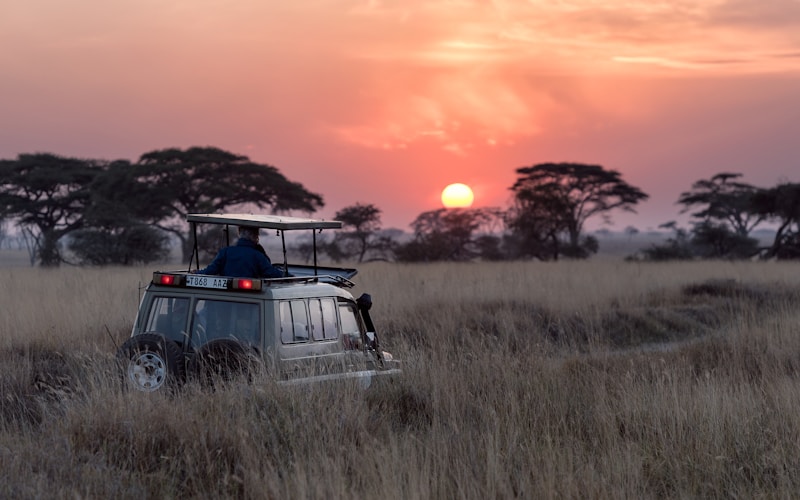
The migration is driven by the animals' search for fresh grazing and water. The herds follow ancient instinctual routes, moving in response to rainfall patterns across the vast plains of East Africa.
The Great Migration: Month by Month
January-March: Calving Season (Southern Serengeti & Ngorongoro) Witness the birth of approximately 400,000 wildebeest calves on the southern plains. This concentration attracts numerous predators.
April-May: Traditional Rains & Western Valley The herds move northwest through the central Serengeti as the long rains arrive, feeding on lush grasses.
June-August: The First River Crossings (Grumeti River) Watch dramatic river crossings as wildebeest face crocodile-infested waters. Some herds begin moving into the northern Serengeti.

September-October: Mara River Crossings The most iconic migration scenes occur at the Mara River, with massive herds plunging into the water in their journey to Kenya's Masai Mara.
November-December: The Return Journey As the short rains begin in Tanzania, the herds start their journey back south, completing the annual cycle.
What if I Miss a River Crossing?
Even without witnessing a river crossing, the migration offers incredible wildlife viewing year-round. The vast herds spread across the plains, interactions with predators, and the sheer number of animals create unforgettable safari experiences.
Key Safari Locations

- Serengeti National Park (Tanzania): The heart of the migration route
- Masai Mara National Reserve (Kenya): Best for August-October crossings
- Ndutu Area: Prime location for calving season (January-March)
- Grumeti Reserve: Exclusive viewing of June-July crossings
Start Planning Your Safari with Confidence
Book with reputable safari operators 6-12 months in advance for the best availability. Consider staying in mobile camps that move with the migration for optimal positioning throughout your trip.
A 5-8 day safari provides ample time to witness different aspects of the migration and explore the diverse ecosystems of the Serengeti-Mara region.